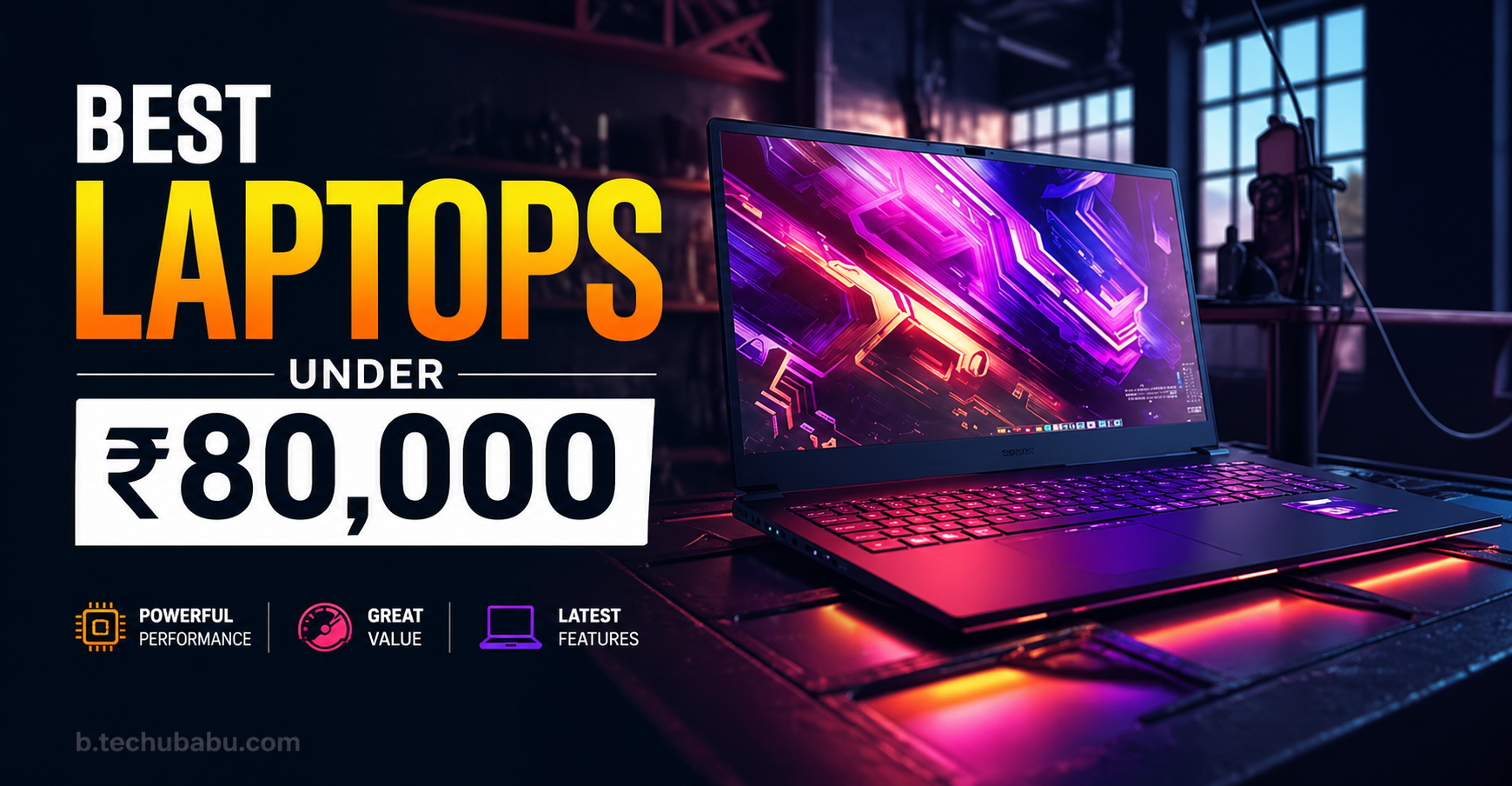
Best laptops under ₹80,000 in India have reached a point where you can get serious performance for gaming, editing, coding, and daily work without touching the 1‑lakh mark. In this bracket, you should expect at least a modern Intel Core i5/i7 12th–14th Gen or AMD Ryzen 5/7 processor, 16 GB RAM, a 512 GB NVMe SSD, and ideally a dedicated GPU like RTX 2050/3050/4050 if you care about gaming or video work. A good IPS panel (or OLED on some creator models), solid thermals, and decent battery life separate true value machines from spec-sheet traps.
Buyers in this range are usually advanced students, working professionals, content creators, and gamers who want a laptop that can last 3–4 years comfortably. That means focusing on balanced real‑world performance instead of just chasing the highest TGP or flashiest RGB. Think about your primary use case (gaming, video editing, music production, engineering, office, or mixed) and match it with the right CPU–GPU pair, display type, and build quality. Internal upgradability (extra RAM/SSD slot) is also very important if you want to extend the life of your investment.
This expert-curated list of 30 best laptops under ₹80,000 is written with transactional search intent in mind: you get clear use‑case positioning, full‑length product paragraphs, practical pros and cons, and FAQs that answer buyer objections. Use it to shortlist 3–5 models, compare live prices on Amazon, Flipkart, Croma, Reliance Digital, and brand stores, and then pull the trigger on the one that best fits your workload and budget.
30 Best Laptops Under ₹80,000 in India
1. Lenovo LOQ 15 (Ryzen 5, RTX 3050)
The Lenovo LOQ 15 with Ryzen 5 and RTX 3050 is one of the strongest performance‑to‑price laptops under ₹80,000 for gamers and creators. You get a 6‑core Ryzen CPU, 16 GB DDR5 RAM, and an RTX 3050 GPU that can easily handle 1080p gaming at medium‑high settings and accelerate Premiere Pro, DaVinci Resolve, and Blender. The 15.6‑inch 144 Hz IPS display is smooth for both esports and timeline scrubbing. Lenovo’s LOQ series borrows thermal design ideas from Legion, so sustained performance is much better than older “thin and light” gaming laptops in this price band. If you want a single machine for engineering, college, and evening gaming without paying for RTX 4050, this is a top pick.
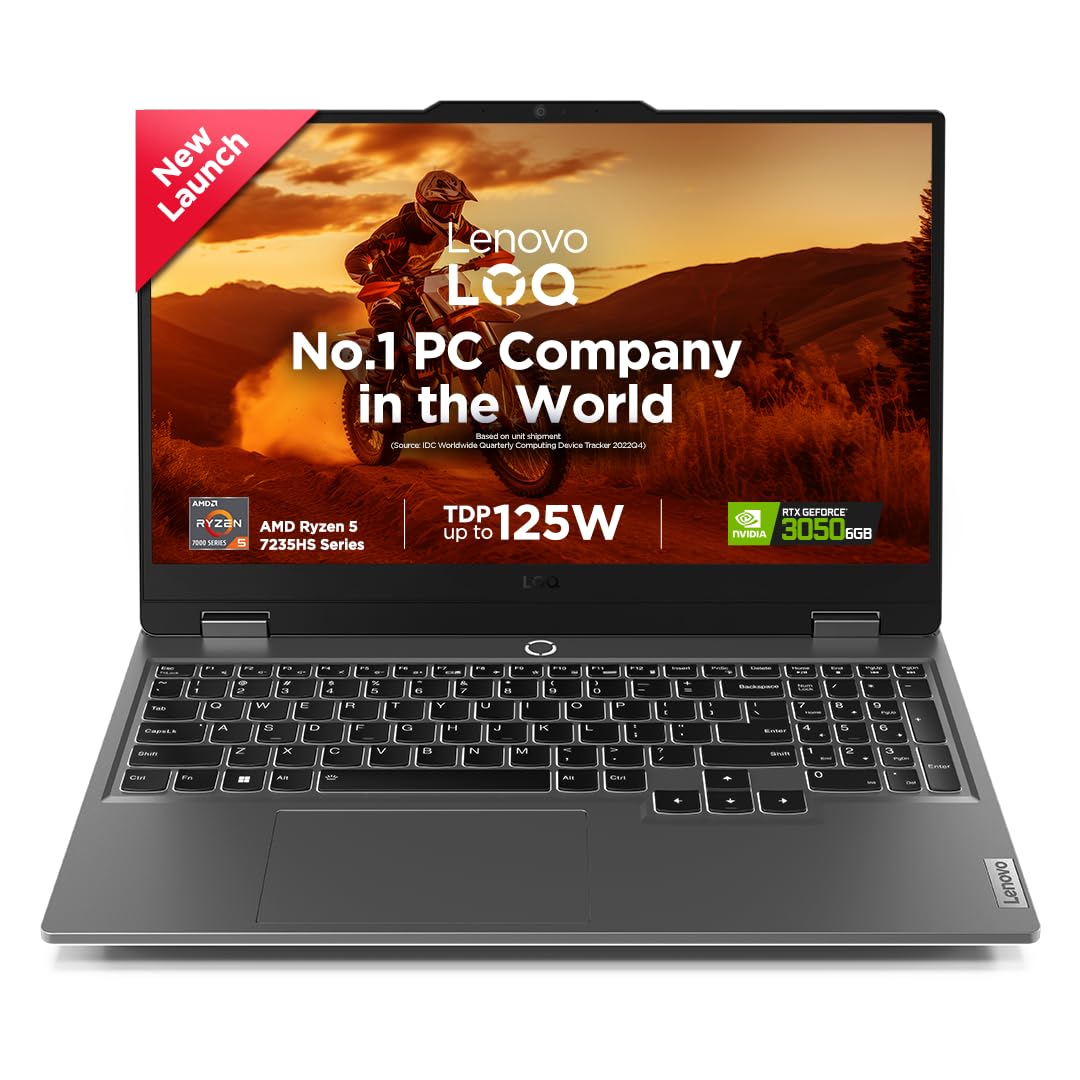
High-Octane, Smooth, and Responsive – Dominate your games with the AMD Ryzen 5 7235HS processor, featuring 4 cores and 8 threads for lightning-fast multitasking and in-game performance.
2. HP Victus 15 (Ryzen 5, RTX 2050)
The HP Victus 15 with Ryzen 5 and RTX 2050 is a great under‑80k laptop if you want a major brand with wide service coverage and a capable GPU. The Ryzen processor plus RTX 2050 will comfortably run titles like Valorant, GTA V, FIFA, and most modern games on medium settings, and also give you a real boost in video editing, 3D previews, and GPU‑enabled workloads. The design is cleaner and more subdued than traditional gaming laptops, making it suitable for both office and campus. HP’s Victus cooling and Bang & Olufsen‑tuned speakers are welcome bonuses.
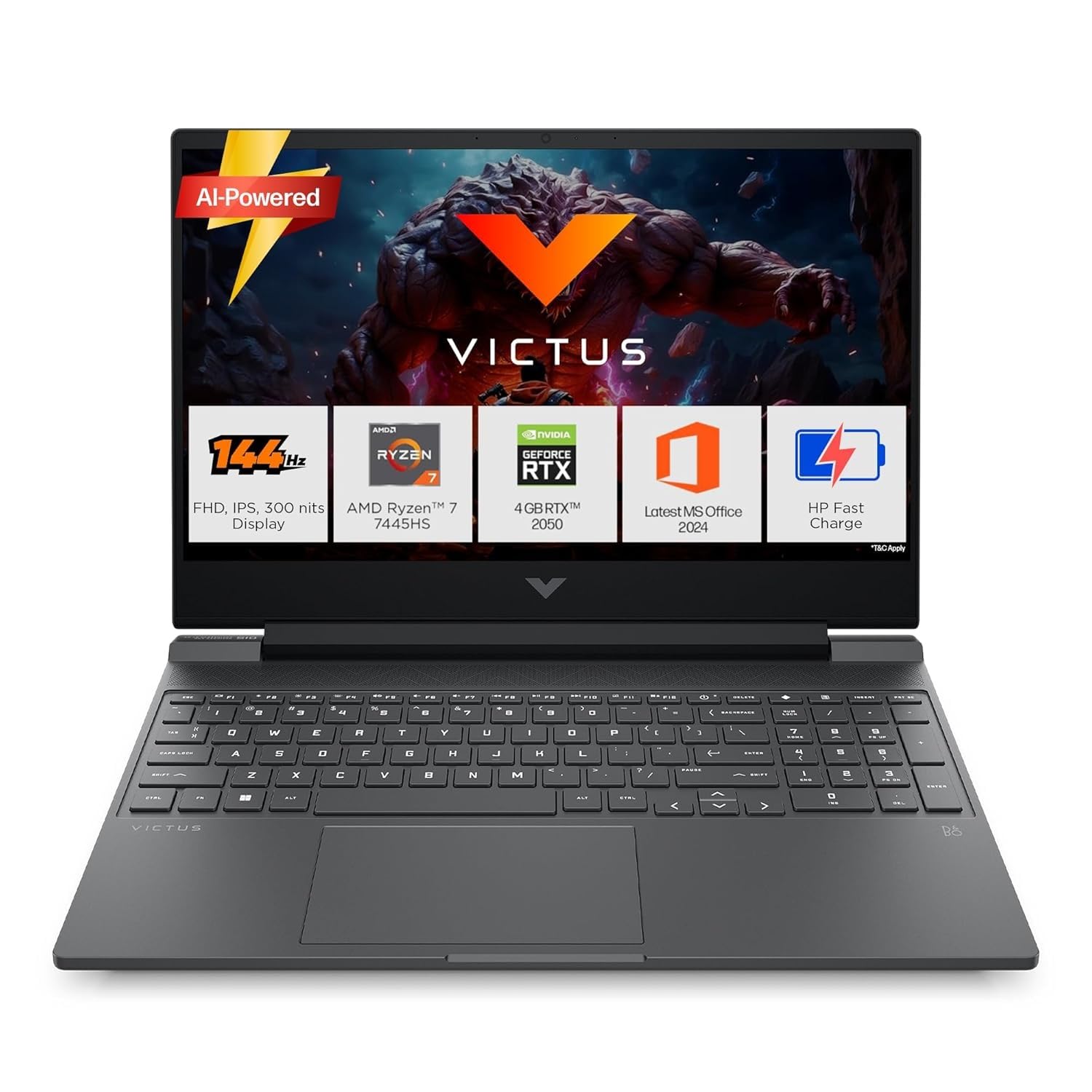
Processor, Memory & Storage: AMD Ryzen 7 7445HS (up to 4.7 GHz max boost clock,16 MB L3 cache, 6 cores, 12 threads)| Memory: 16 GB DDR5-5600 MT/s (1 x 16 GB)| Storage: 512 GB PCIe Gen4 NVMe M.2 SSD
3. Acer Nitro 5 (i5, RTX 3050)
The Acer Nitro 5 with a 12th/13th Gen i5 and RTX 3050 has become a benchmark value choice for Indian gamers and engineering students. With 16 GB RAM and a 512 GB SSD, it runs heavy IDEs, CAD software, and modern games without lag. The red‑accented design and 144 Hz display clearly aim at gaming, but the performance translates well to editing and rendering workloads too. Nitro’s dual‑fan cooling and NitroSense control software allow you to manage thermals and fan noise based on whether you are in class, office, or gaming mode.
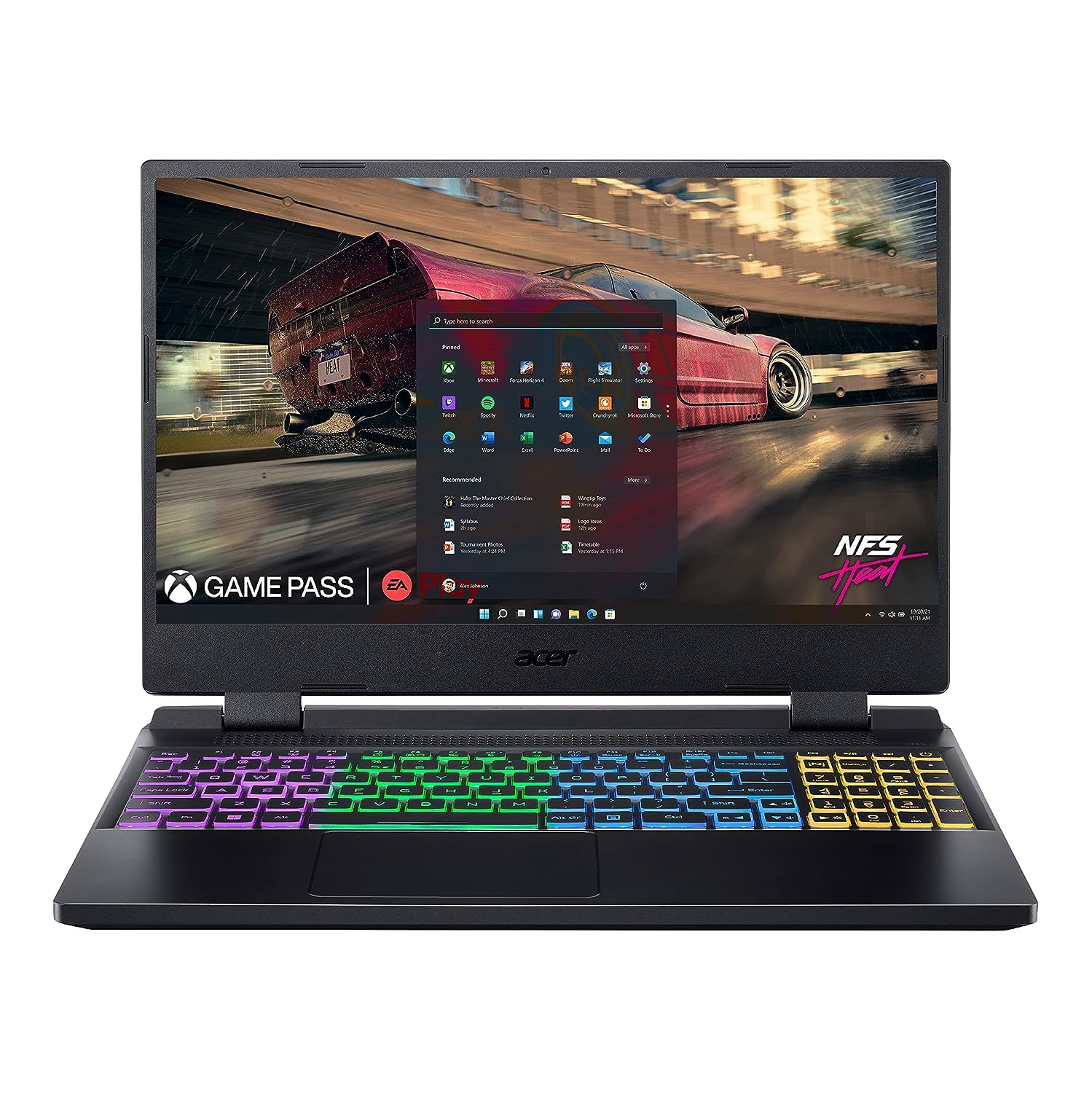
Processor: Intel Core i5 12th Gen processor | RAM : 8 GB of DDR4 system memory, upgradable to 32 GB using two soDIMM module
4. Asus TUF Gaming F15 (i5, RTX 3050)
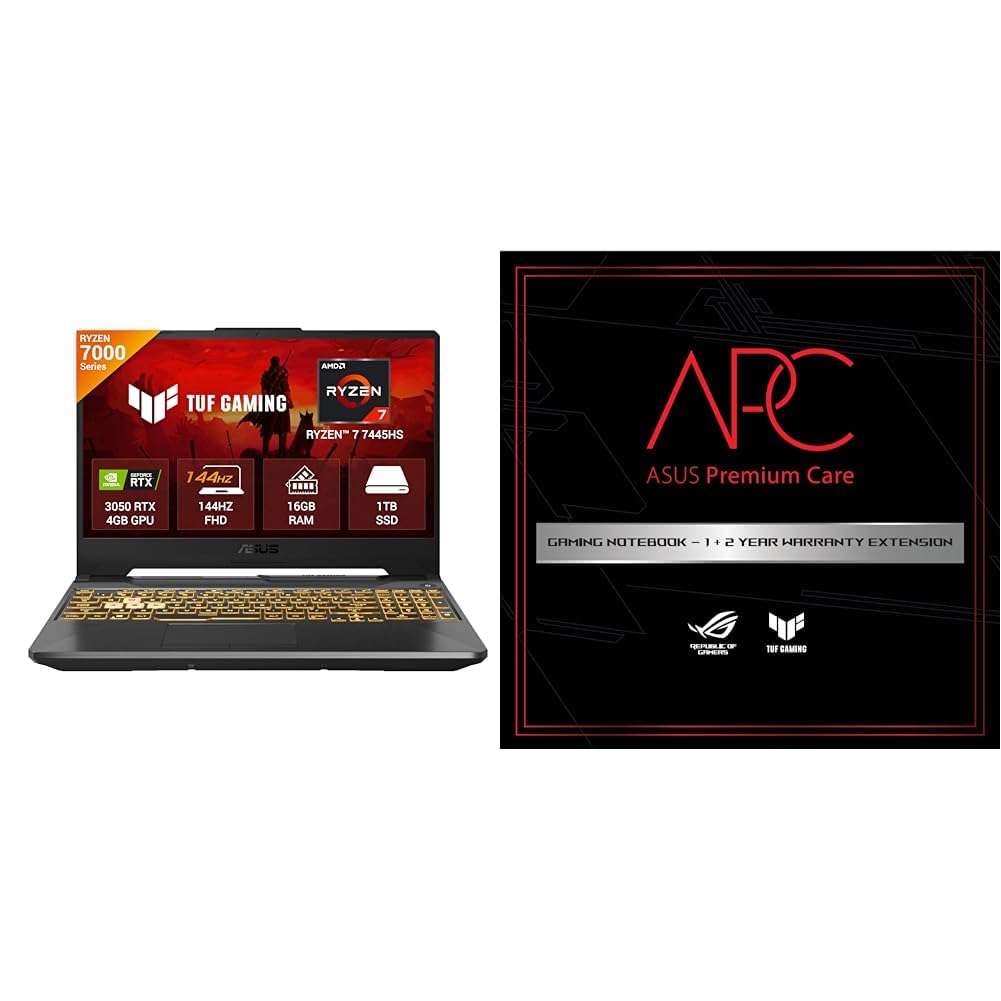
The Asus TUF Gaming F15 blends durability with solid performance and is ideal if you want a rugged under‑80k laptop that can take everyday abuse. It typically comes with a 12th Gen i5, RTX 3050, 16 GB RAM, and a 144 Hz display, which is more than enough for competitive games, Unreal Engine practice, and GPU‑accelerated editing. The TUF series is known for meeting military‑grade durability criteria, so it can survive frequent travel, hostels, and rough handling better than many rivals. If you’re a student or beginner content creator looking for a reliable gaming‑class machine, TUF F15 is a strong candidate.
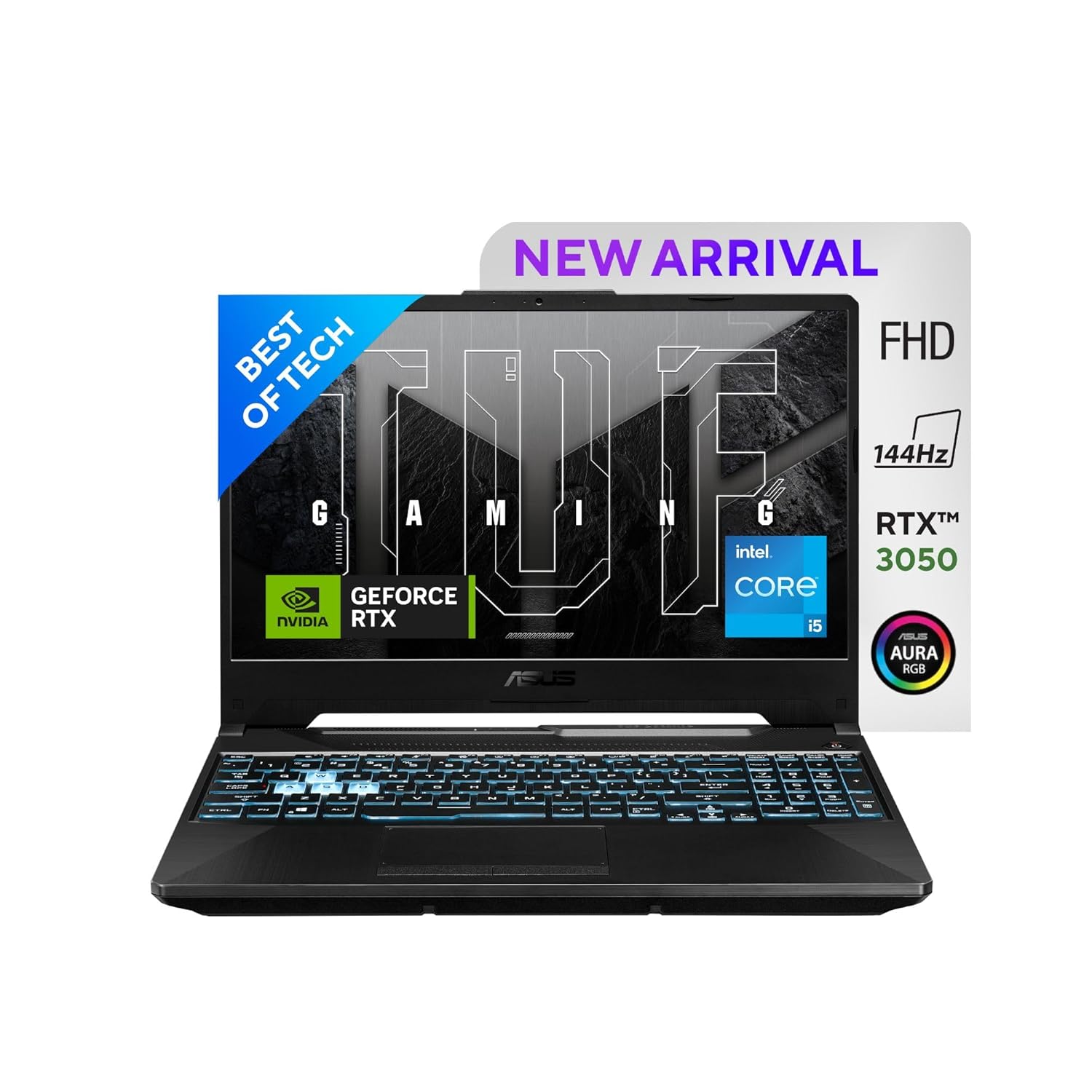
Processor: Intel Core i5-11400H Processor 2.7 GHz (12M Cache, up to 4.5 GHz, 6 Cores) efficient multitasking and improved performance in demanding applications.
5. Lenovo IdeaPad Gaming 3 (Ryzen 5, RTX 3050)
The IdeaPad Gaming 3 takes Lenovo’s popular IdeaPad design and adds a dedicated RTX 3050, making it a “bridge” between mainstream and gaming laptops under ₹80,000. It has a clean, understated look compared to LOQ/Legion but still offers a capable 6‑core CPU, 16 GB RAM, and a decent 120–144 Hz display. This makes it a good fit for students and professionals who need solid GPU power without flashy RGB styling. For coding, design, light 3D, and occasional gaming, it gives excellent value.
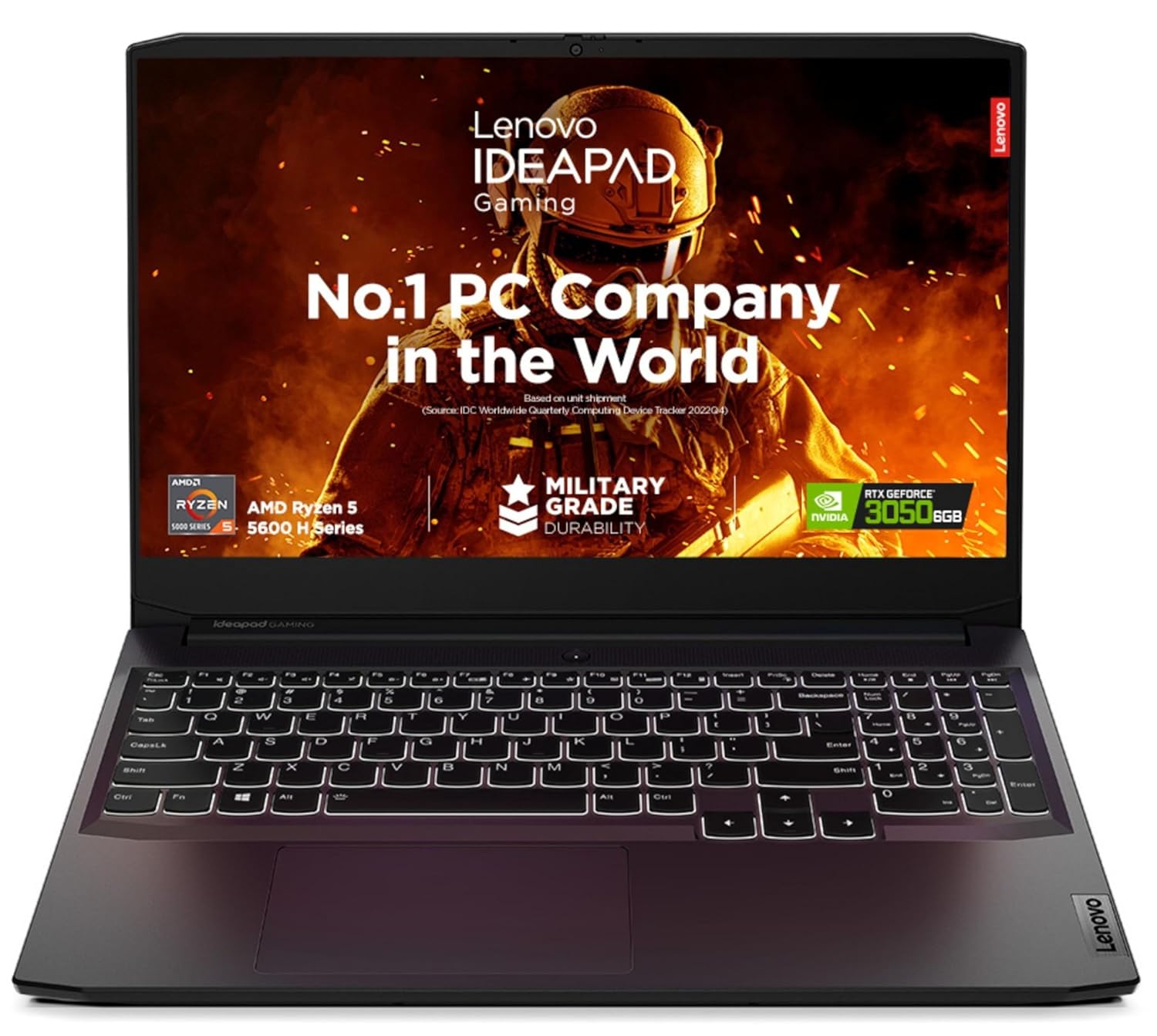
AMD Ryzen 5 5600H (most common)
Cores / Threads: 6 cores / 12 threads
Base Clock: 3.3 GHz
Boost Clock: up to 4.2 GHz
Cache: 16MB L3 + 3MB L2
Architecture: Zen 3 (7nm)
Integrated Graphics: Radeon Graphics
6. MSI Katana 15 (i5, RTX 3050)
The MSI Katana 15 focuses on gaming value, making it great for users who want strong frame rates and acceptable thermals without paying for high‑end extras. A 12th Gen i5 and RTX 3050, paired with 16 GB RAM and a fast SSD, allow you to run current AAA titles at 1080p medium settings and push high FPS in esports games. MSI usually includes a 144 Hz panel, and the tuning of the keyboard and cooling system makes long gaming and coding nights comfortable.
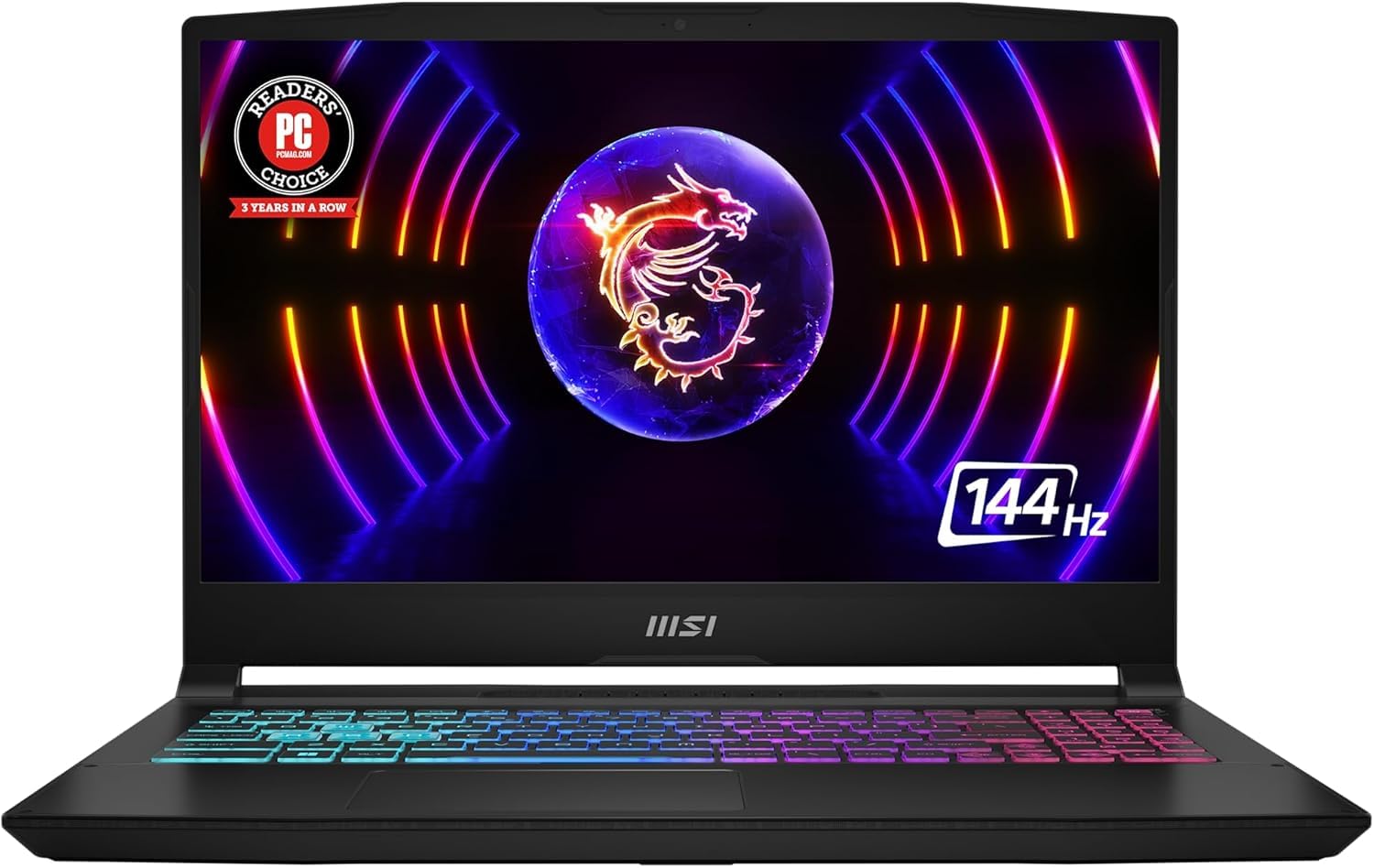
POWERFUL GAMING: Intel Core i5-13420H processor (13th Gen) with NVIDIA GeForce RTX 3050 6GB graphics card delivers exceptional gaming performance
7. HP Pavilion Gaming 15 (GTX/RTX entry variants)
The HP Pavilion Gaming 15 in its budget GPU variants (GTX 1650 / RTX 2050/3050, depending on stock) is often available around ₹70,000–₹80,000 and remains a popular choice for buyers who trust HP but want dedicated graphics. While GTX 1650 is older, it still handles popular games and can speed up some editing tasks. The laptop offers a solid keyboard, decent speakers, and a design that looks a bit more “mainstream” than pure gaming models. It’s suitable for someone who wants reliable performance without chasing the latest GPU.
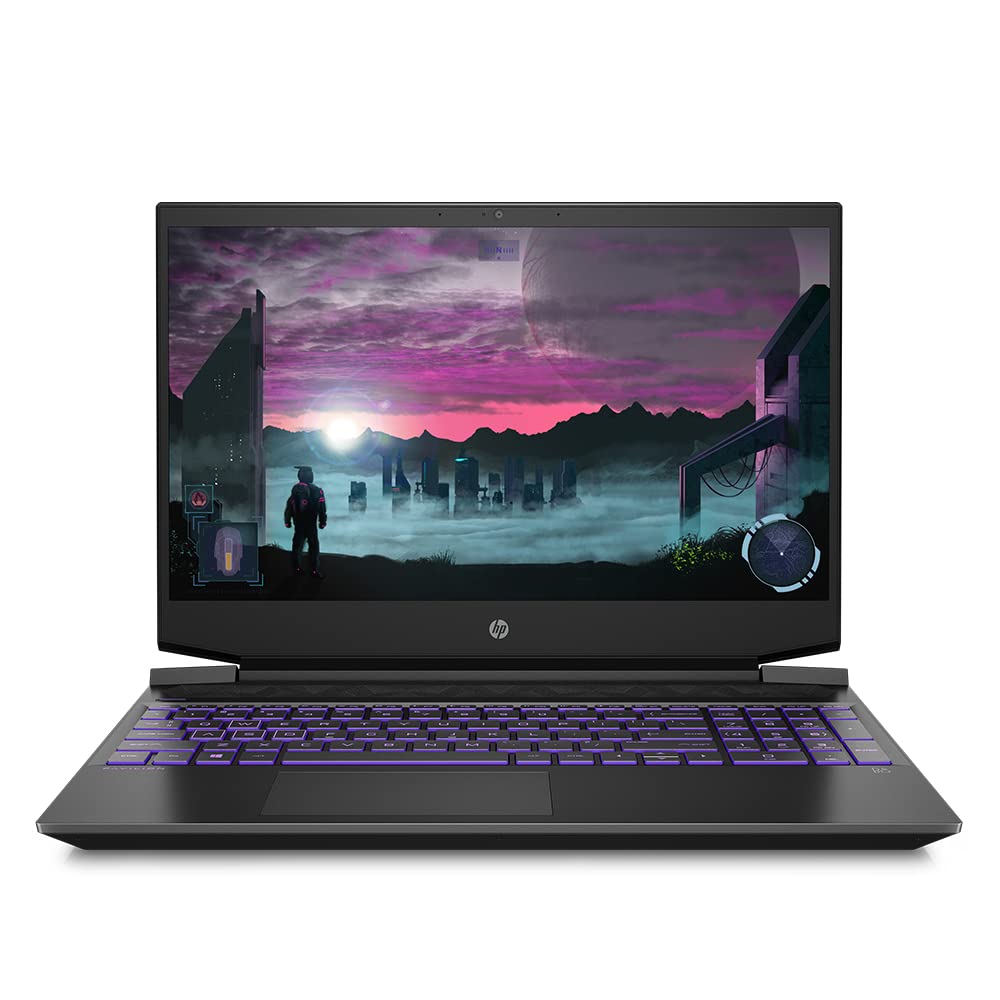
Processor: AMD Ryzen 5 5600H (up to 4.2 GHz max boost clock(2i) 16 MB L3 cache, 6 cores, 12 threads)| Memory: 8 GB DDR4-3200 MHz RAM (1 x 8 GB) Up to 16 GB DDR4-3200 SDRAM| Storage: 512 GB PCIe NVMe TLC M.2 SSD
8. Acer Aspire 7 (Ryzen 5, RTX 2050/3050)
The Acer Aspire 7 is a sleeper hit in the sub‑80k range because it hides gaming‑class hardware in a more professional‑looking body. With Ryzen 5/i5, 16 GB RAM, and RTX 2050 or 3050, it’s powerful enough for 1080p gaming and GPU‑accelerated workflows, but the design is understated for office and college use. The keyboard is decent, and the laptop usually has a satisfactory port selection, including HDMI and multiple USB ports, making it a solid everyday workhorse.
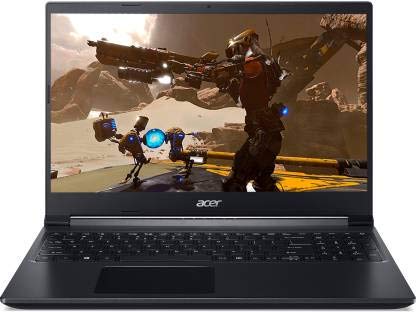
This laptop packs a punch in terms of performance as it comes with an AMD Ryzen 5500U processor and NVIDIA GeForce GTX 1650 graphics processor.
9. Asus Vivobook Pro 15 (Ryzen 5, RTX 2050)
The Vivobook Pro 15 is aimed more at creators than gamers, offering a good CPU, RTX 2050, and, in some variants, an OLED or high‑quality IPS panel around the 80k mark during offers. This makes it a strong choice for video editors, graphic designers, and content creators who care more about color accuracy and screen quality than max FPS. The design is sleek and modern, and you get a comfortable keyboard and good I/O, making it a versatile all‑rounder.
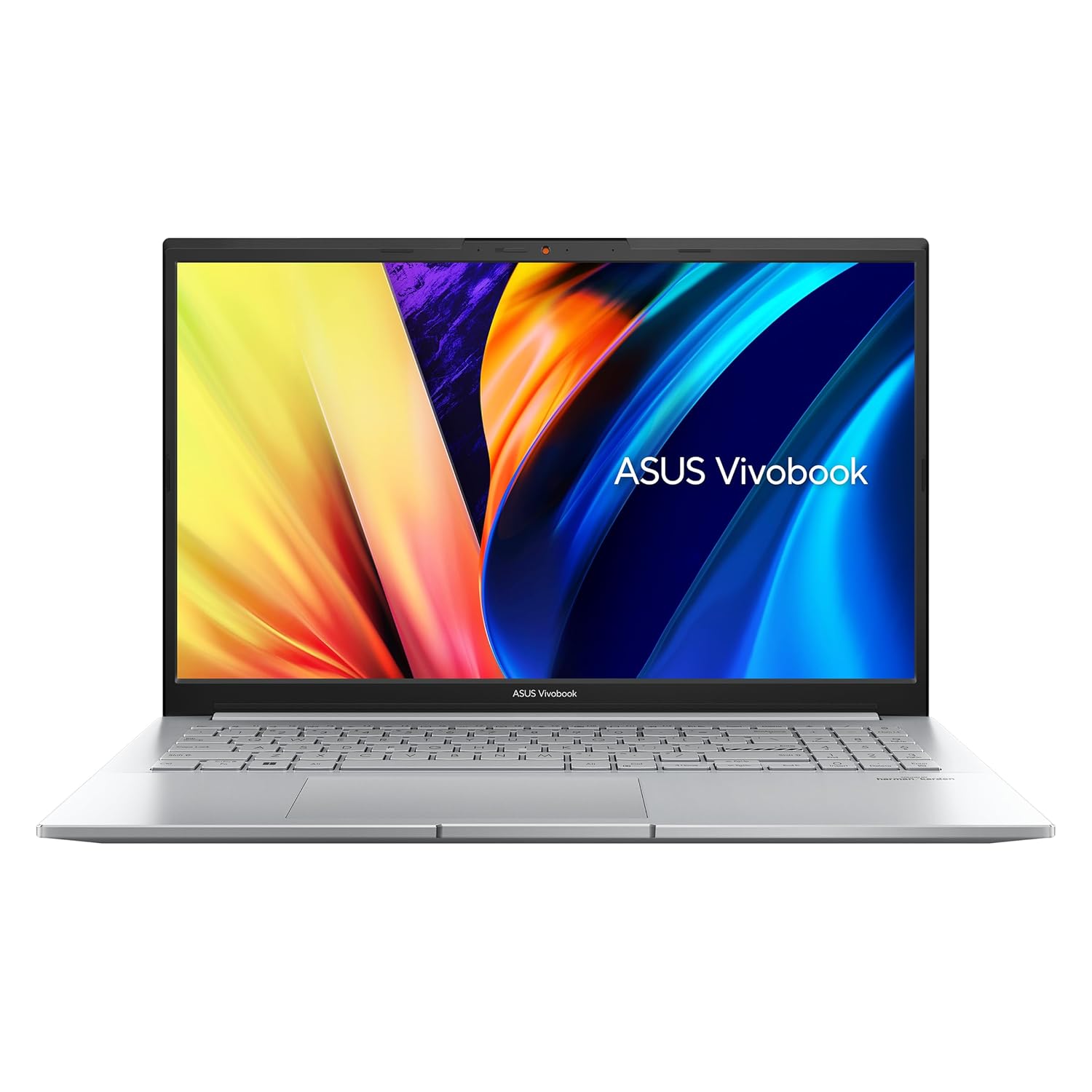
It features a 15.6-inch FHD display, fast SSD storage, and dual-fan cooling, making it a good budget creator/gaming laptop
10. Asus Vivobook 16X (Ryzen 5, Integrated/Entry GPU)
The Vivobook 16X focuses on screen size and productivity rather than raw gaming power. With a 16‑inch high‑resolution display, Ryzen 5 CPU, 16 GB RAM, and fast SSD, it is ideal for heavy multitasking, coding, content writing, research, and some light editing. While it may only have integrated graphics or entry‑level discrete GPUs, the large screen real estate makes it attractive for people who live inside Excel, PowerPoint, browser tabs, or DAWs.
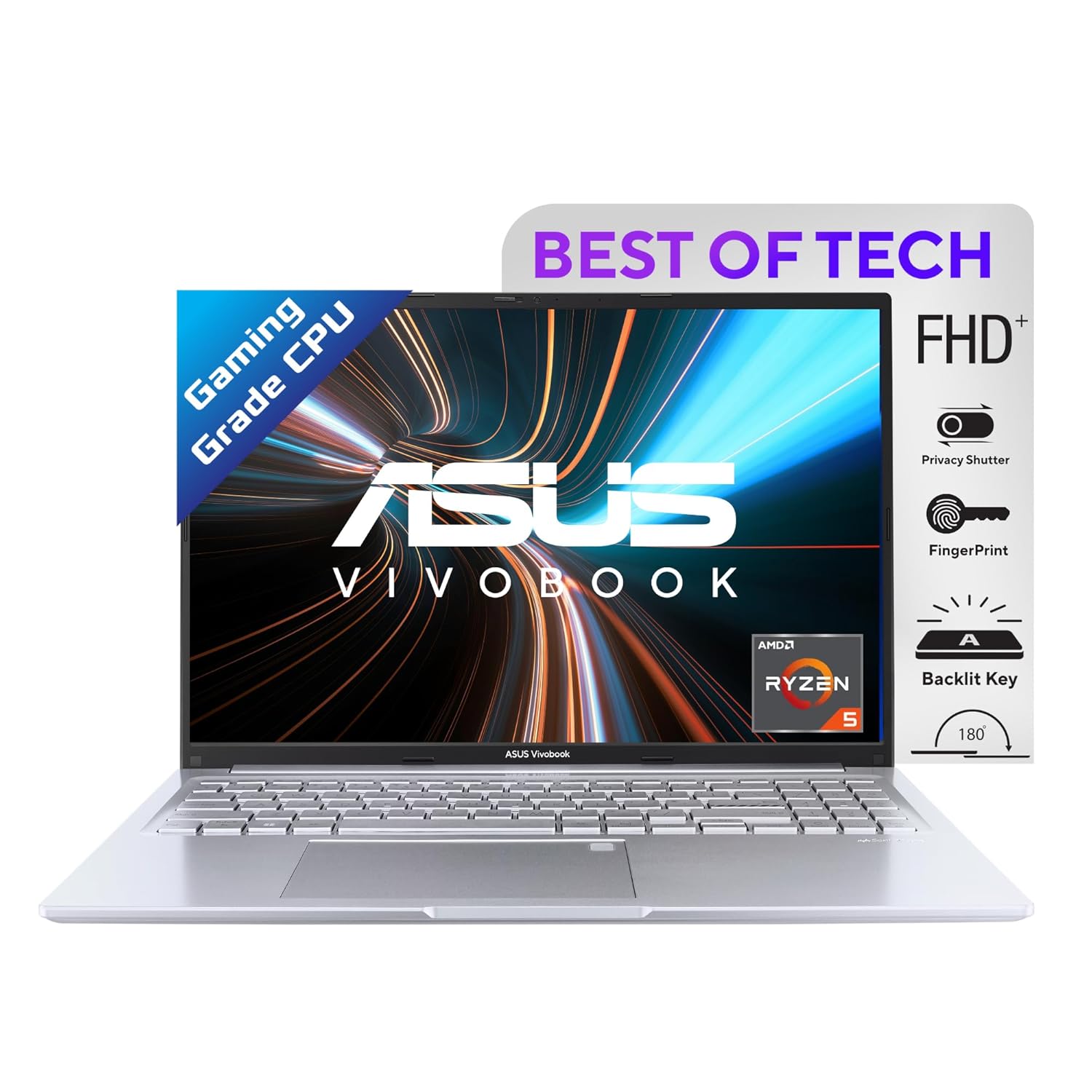
Processor: AMD Ryzen 5 5600H Mobile Processor (6-core/12-thread, 19MB cache, up to 4.2 GHz max boost) delivers excellent performance for demanding tasks like gaming, content creation, and multitasking.
11. HP Pavilion 14/15 (i5, Integrated Graphics)
The HP Pavilion 14/15 with modern i5 and integrated graphics is a strong choice if your priority is a reliable, moderately premium feeling laptop for office and student use, not gaming. These models typically pack 16 GB RAM, a 512 GB SSD, an FHD display, and a slim, lightweight chassis. They’re great for MS Office, browsing, coding, Zoom calls, and light editing. If you are not into gaming or heavy GPU work but want something solid and polished under 80k, Pavilion series fits well.
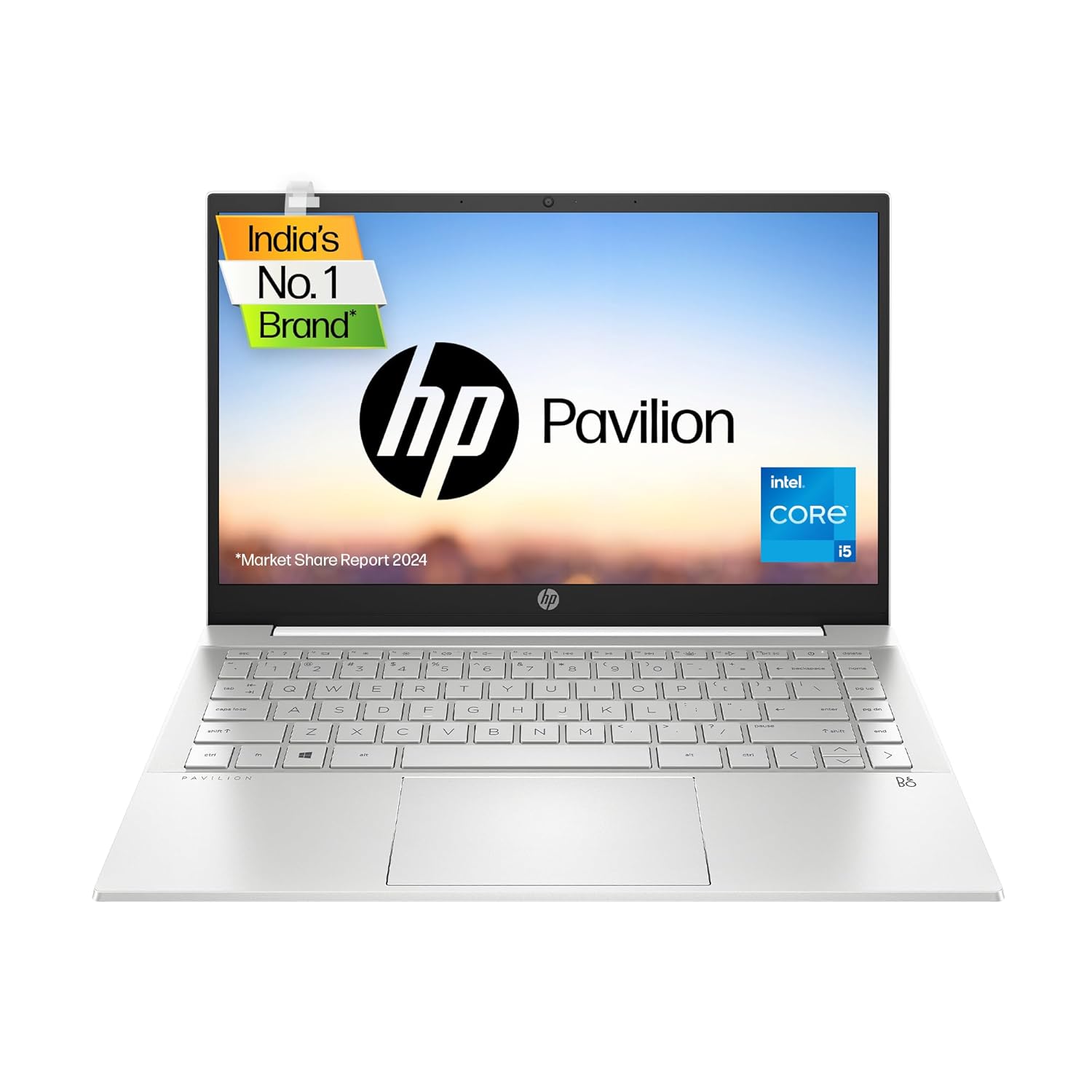
Processor: Intel 11th Gen Core i5- 1155G7 (up to 4.5 GHz with Intel Turbo Boost Technology(2g), 8 MB L3 cache, 4 cores, 8 threads)
12. Dell Inspiron 14/15 (i5, Integrated Graphics)
Dell Inspiron 14/15 with a recent Intel Core i5 is a very safe “buy‑and‑forget” choice for people who want stability and service over flashy specs. With 16 GB RAM and an SSD, Inspiron machines handle all typical productivity tasks, high‑intensity browsing, and basic media creation. The design is simple and professional, making them ideal for work, college, or family laptops. If you don’t game but want something dependable under ₹80,000, Inspiron belongs on your shortlist.

i5-1135G7 Processor: 2.4 Ghz Base Speed
8GB DDR4, 512GB SSD, WIN 11 + Office H&S 2021; INTEGRATED Graphics Card
13. Lenovo IdeaPad Slim 5 (Ryzen 5 / i5)
The IdeaPad Slim 5 is positioned as a premium thin‑and‑light under‑80k option with a much more refined design than budget gaming laptops. It typically offers a Ryzen 5 or i5, 16 GB RAM, 512 GB SSD, and a bright FHD or 2K display in a slimmer chassis. This makes it especially appealing for professionals who move around a lot and value portability, battery life, and a good panel over GPU muscle. If your work revolves around documents, web apps, and some light creation, Slim 5 is a very practical choice.
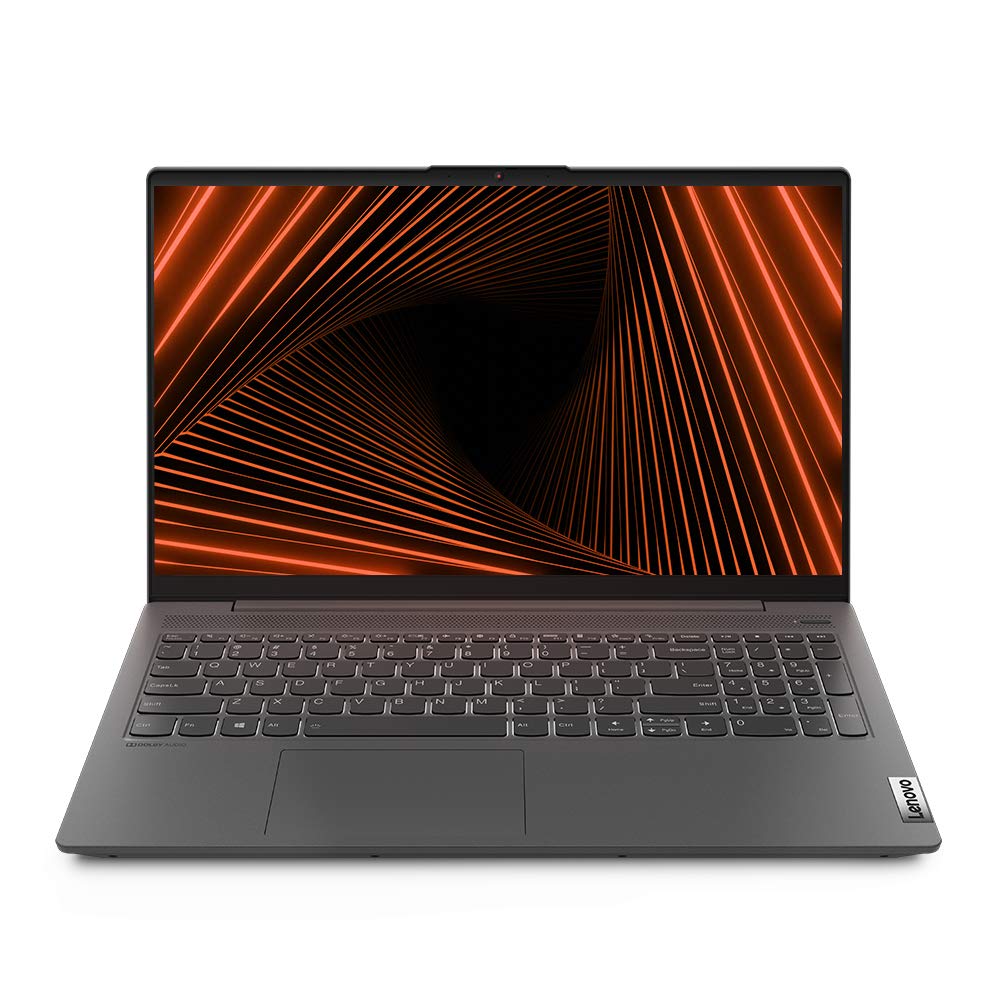
Processor: 11th Gen Intel Tiger Lake Core i5-1135G7 | Speed: 2.4 GHz (Base) – 4.2 GHz (Max) | 4 Cores | 8MB Cache
14. Asus Zenbook 14 (i5, OLED in Offers)
Sometimes during big sales, the Asus Zenbook 14 with OLED display and a 12th/13th Gen i5 falls just under ₹80,000, and when it does, it’s one of the best “non‑gaming” laptops you can buy for content consumption and productivity. You get a very light, premium chassis, a stunning OLED panel with deep blacks, 16 GB RAM, and a fast SSD. This is perfect for users who prioritize display quality, portability, and overall refinement over gaming or GPU‑heavy workloads.
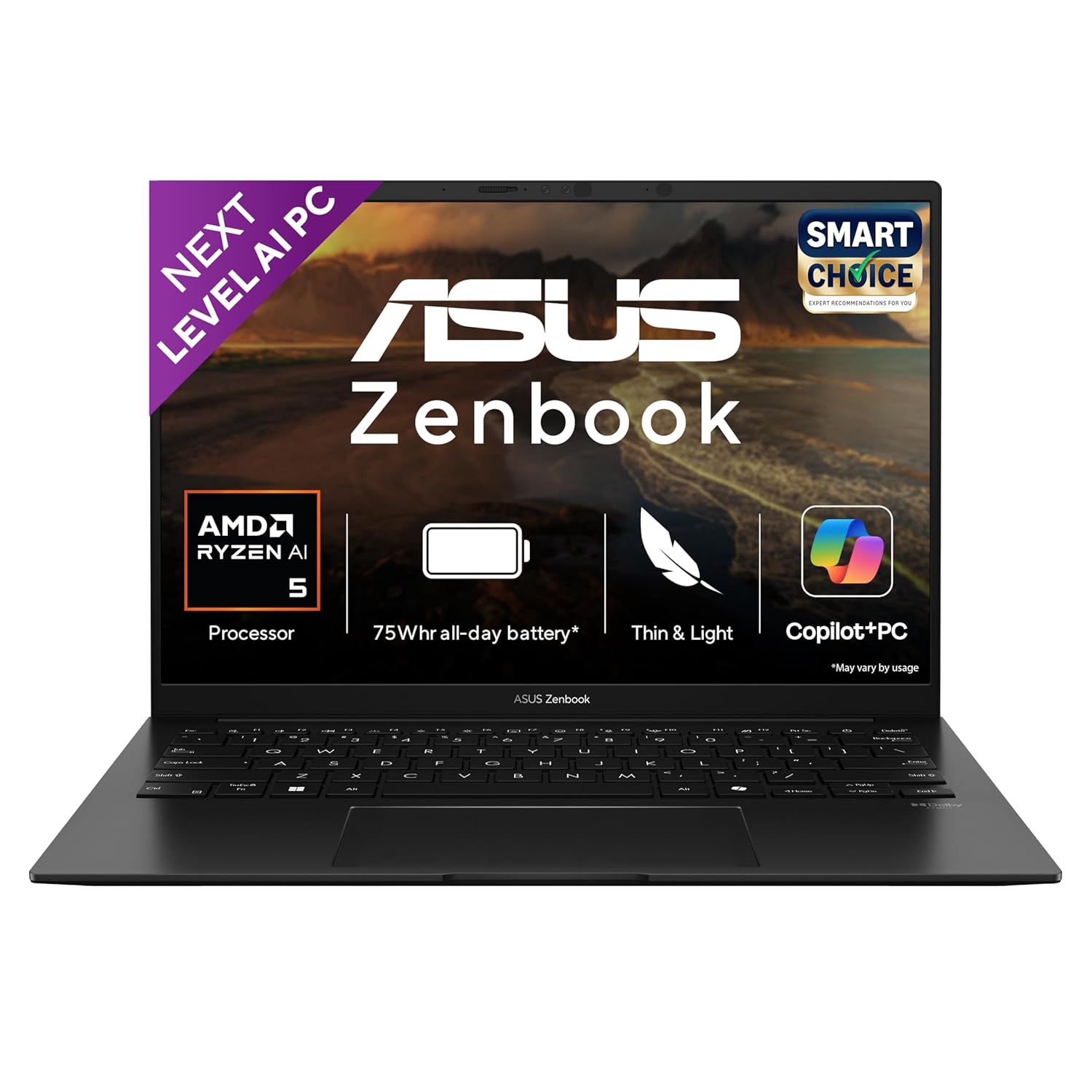
Processor : AMD Ryzen AI 5 340 Processor 2.0GHz ( 22MB Cache, up to 4.8GHz, 6 cores, 12 Threads) AMD XDNA NPU up to 50TOPS
15. HP Envy x360 14 (Ryzen 5, 2‑in‑1)
HP Envy x360 14 is a convertible laptop that sometimes touches the 80k range in Ryzen 5 config, offering tremendous flexibility if you like touch and pen input. It’s not meant for hardcore gaming, but it is excellent for note‑taking, sketching, light editing, and general productivity. With good speakers, a decent display, and a premium build, it feels like a step above normal mid‑range devices. This is ideal for students and professionals who present, draw, or annotate often.
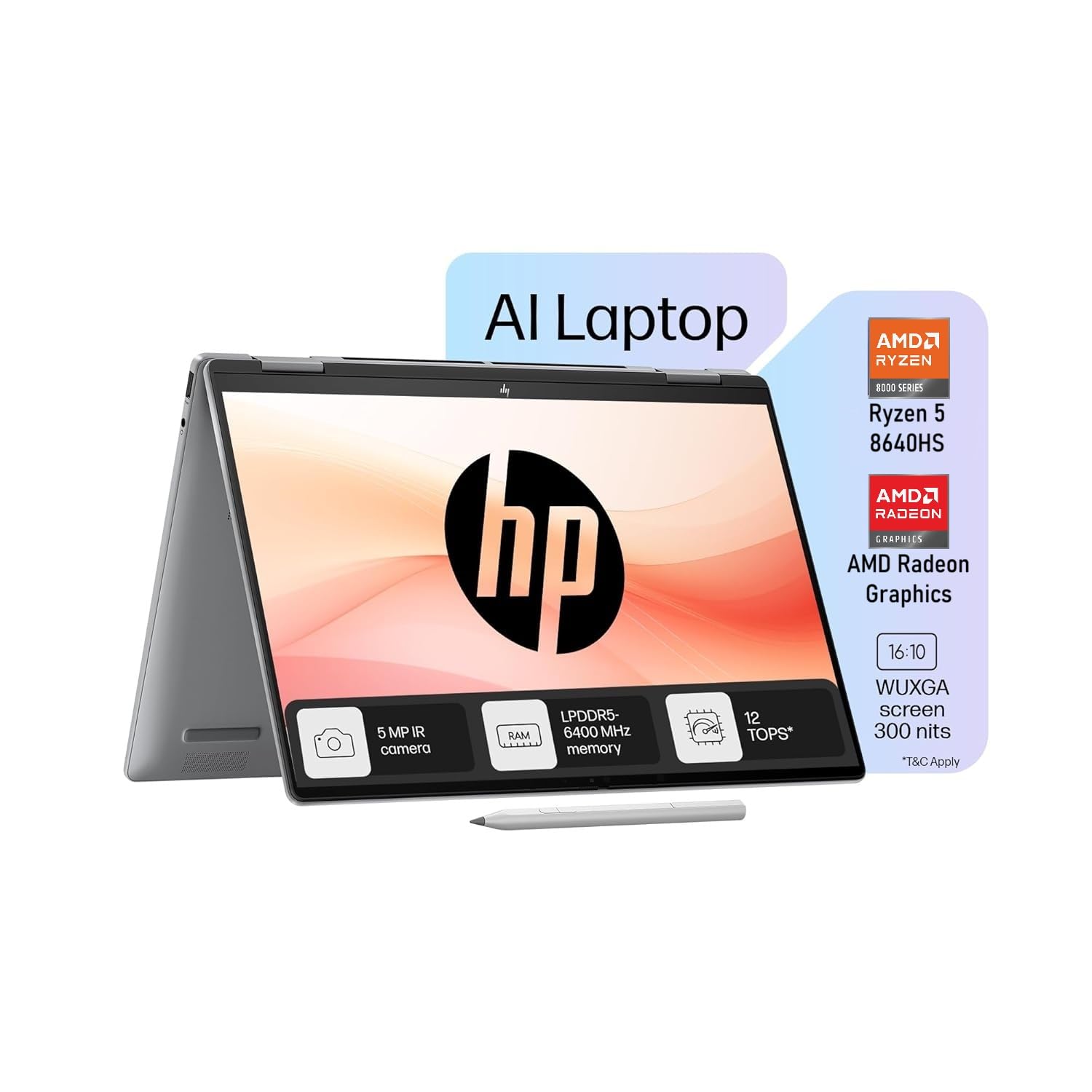
【AI-enhanced performance】Let HP Smart Sense AI handle your device’s power consumption and updates. Meanwhile, assistants like Copilot and Otter.ai can manage all your tasks and optimize performance.
Also Read Related Blogs
10 Best Laptops for Interior Designers
Top 10 Best Lightweight Laptops
Best gaming laptop under 70000
5 Best Laptops Under 30000
Top 10 Best Lightweight Laptops for College Students
16. Samsung Galaxy Book2/Book3 (i5)
Samsung’s Galaxy Book series in i5 + 16 GB variants occasionally lands under ₹80,000, giving you a thin‑and‑light Windows machine with good screens and tight integration with Samsung phones. These laptops target users who value ecosystem features (e.g., easy file sharing, screen mirroring) and a good display over raw GPU power. They are well‑suited for office workers, students, and casual creators who want a premium‑feeling portable device.
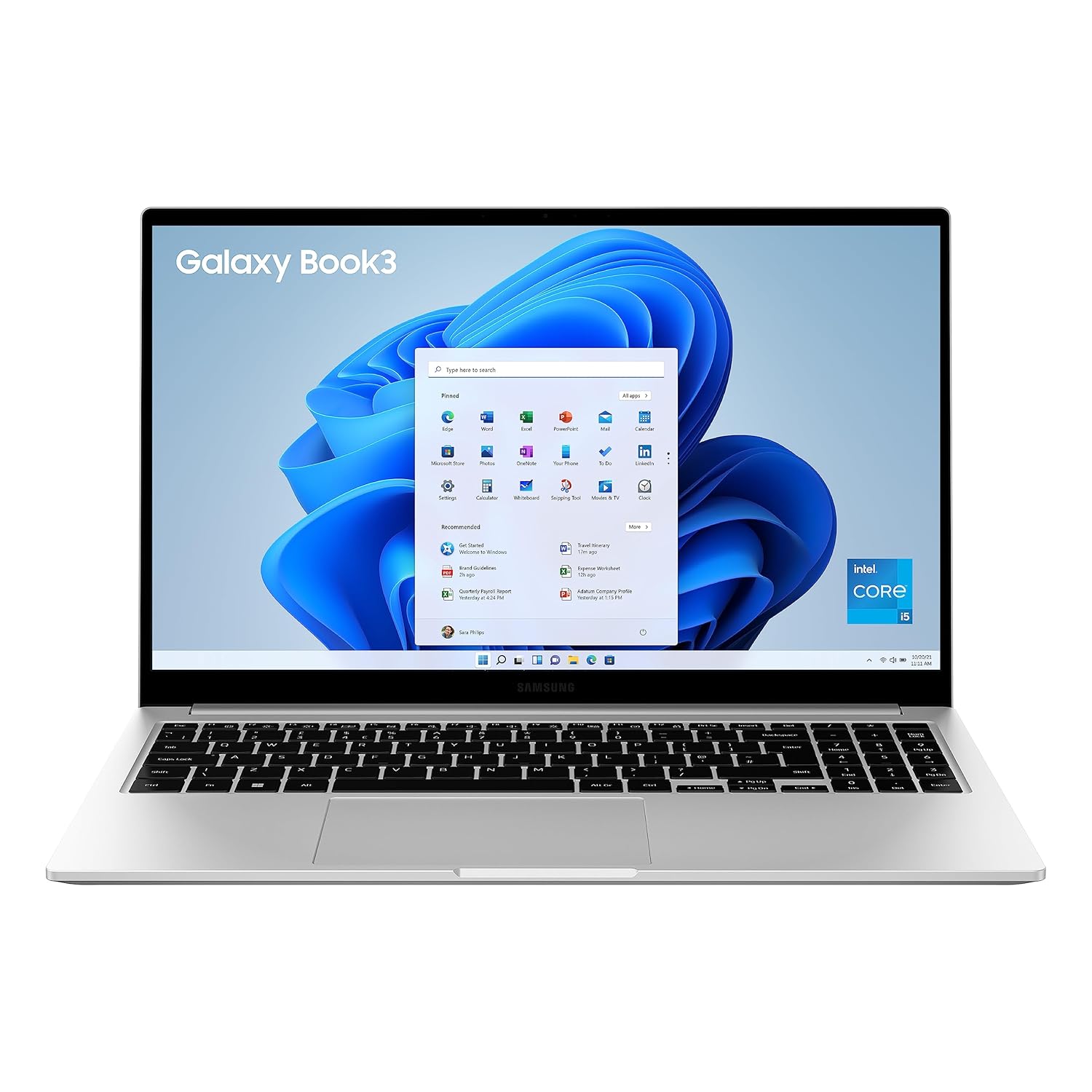
Processor: 13th Generation Intel Core i5-1335U processor (up to 4.6 GHz 12 MB L3 Cache) | Memory: 8 GB LPDDR4x Memory | Storage: 512 GB NVMe SSD, additional slot- expandable upto 1TB | Intel Iris Xe Graphics
17. Acer Swift Go 14 (i5, OLED in Offers)
Acer Swift Go 14, especially the OLED variants, sometimes dips into the 70–80k brand, bringing a great screen, thin design, and solid CPUs to Indian buyers. It’s tailored for productivity: 16 GB RAM, fast SSD, and a strong Intel processor ensure smooth daily performance. At the same time, the OLED panel makes watching content and editing photos/videos visually pleasing. This is best for users who want a premium portable machine rather than a gaming rig.
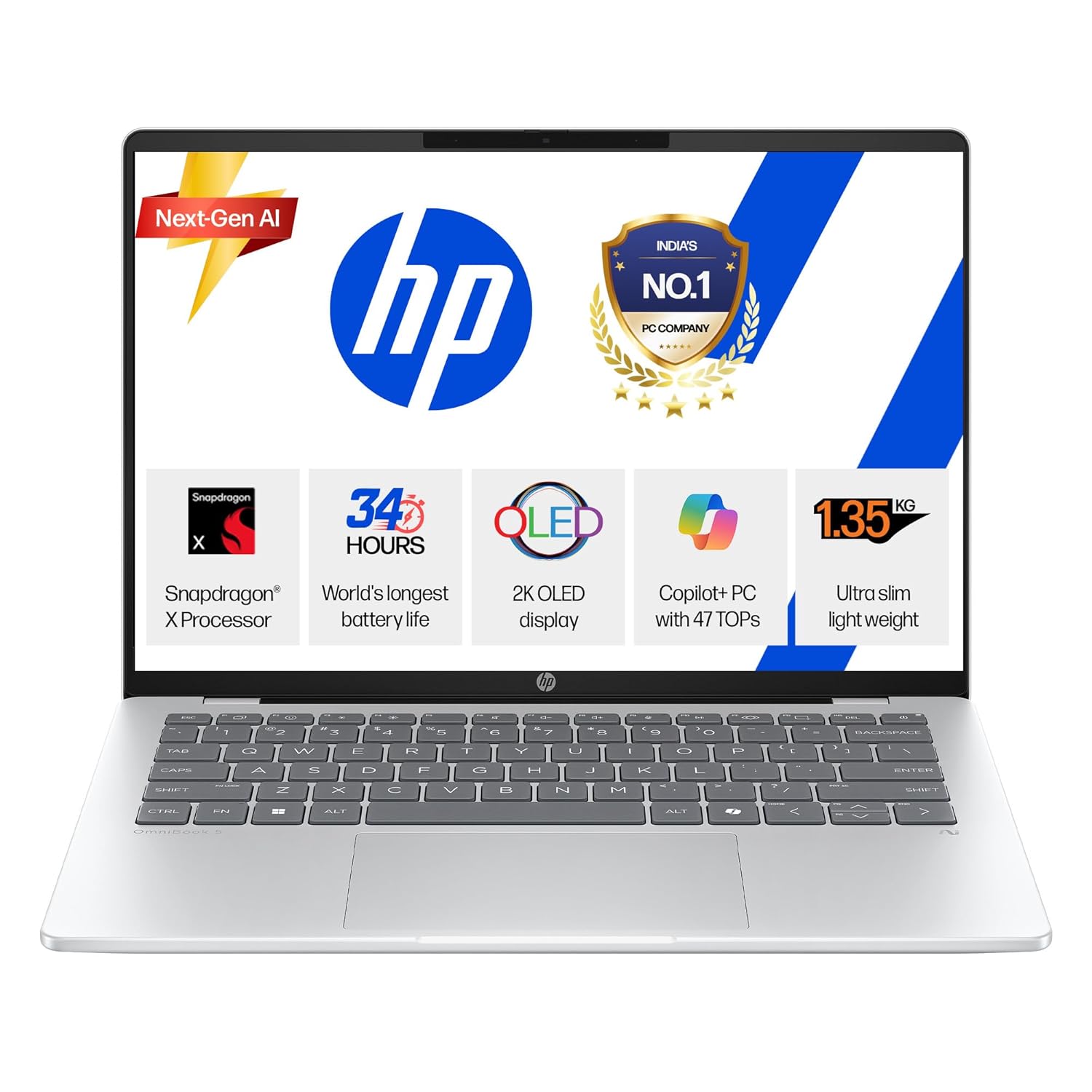
【Snapdragon X Plus Processor for Performance on the Move】 Stay productive wherever you go with the Snapdragon X processor offering 8 cores, 8 threads, and 12 MB L3 cache for responsive multitasking, and up to 47 TOPS of NPU power.
18. MSI Modern 14/15 (Ryzen 5 / i5)
MSI Modern series offers stylish, office‑friendly laptops that still have enough power for serious work. They often come with Ryzen 5/i5, 16 GB RAM, 512 GB SSD, and a clean 14/15‑inch FHD display. While they are not for heavy gaming, they work very well for coding, office, multimedia, and even light editing. The design is minimal and professional, and the weight is low enough for daily commutes.
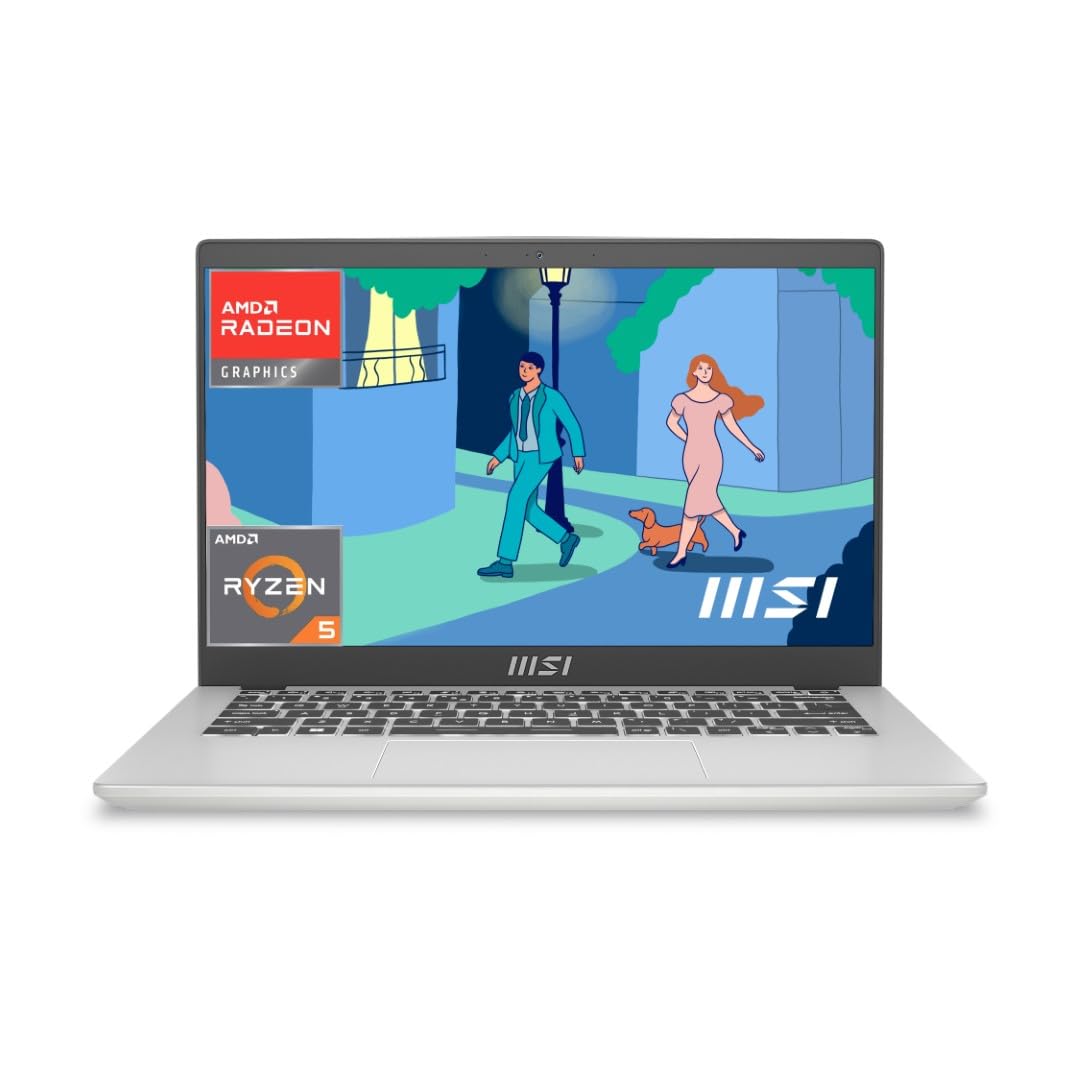
Processor: 7th Generation Ryzen 5 7430U upto 4.3 GHz
19. Lenovo Yoga Slim 6/7 (entry configs in sale)
Sometimes, base configurations of Lenovo Yoga Slim 6 or 7 (with Ryzen 5/i5, 16 GB RAM, 512 GB SSD) appear under ₹80,000 during big online promotions. These laptops bring premium build quality, very good displays, and thin‑and‑light designs normally seen in much more expensive ultrabooks. If you catch them at the right time, they are excellent for professionals who care about build and portability more than GPU horsepower.

Processor: AMD Ryzen 7 7735HS | Speed: 3.2GHz (Base) – 4.75GHz (Max) | 8 Cores | 16 Threads | 16MB Cache
20. HP 15s / HP 15‑fw Series (Ryzen 7 / i7)
HP 15s and similar 15‑inch HP lines with Ryzen 7 or i7 CPU, 16 GB RAM, and SSD around the 70–80k mark are great for users who want CPU horsepower and a big screen but don’t care about gaming GPUs. These are ideal for people who work with heavy Excel files, browser‑based tools, programming, data analysis, and other CPU‑bound workloads. They look and feel like standard office machines but are powerful enough under the hood.
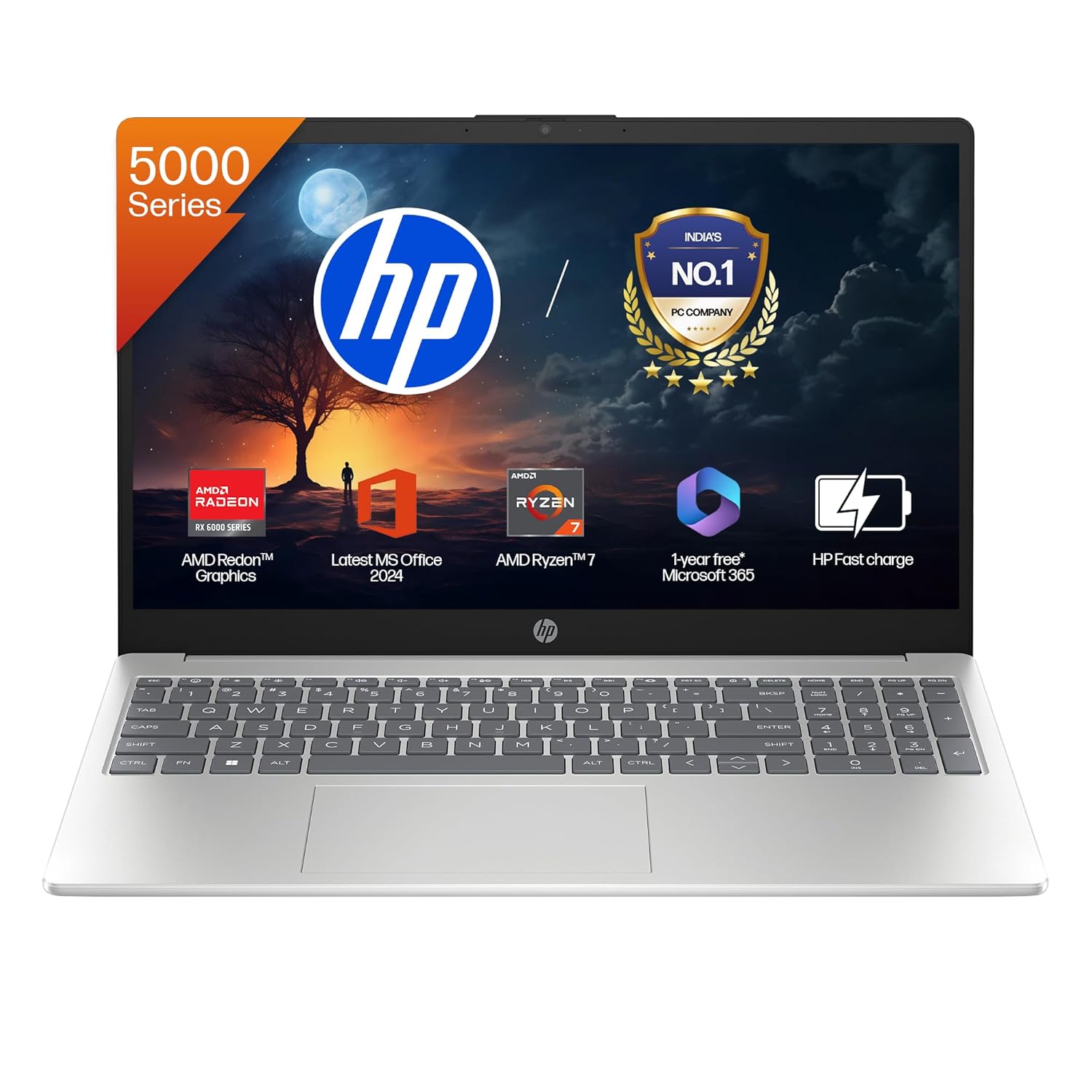
Operating System & Preinstalled Software: Windows 11 Home Single Language | MS Office Home 2024 |1 year Microsoft 365 Basic Free|
21. Asus ROG Strix G (older gen, RTX 3050)
Occasionally, older generation Asus ROG Strix G laptops with RTX 3050 and previous‑gen CPUs get discounted into the under‑80k range. These are still quite capable for gaming and editing thanks to the GPU, fast RAM, and high refresh rate screens. The design is bolder, with RGB and aggressive lines, but thermals are usually very good because these machines were built as mid‑high gaming laptops initially.
By clicking on Add to Cart/Buy Now, you authorize Amazon to share your personal details (name/phone number/email ID) with the brand [Asus] and their authorized service partner for auto-activation of the plan and for the brand to be able to provide you the services you have purchased.
22. Lenovo Legion 5 (previous gen, GTX/RTX entry)
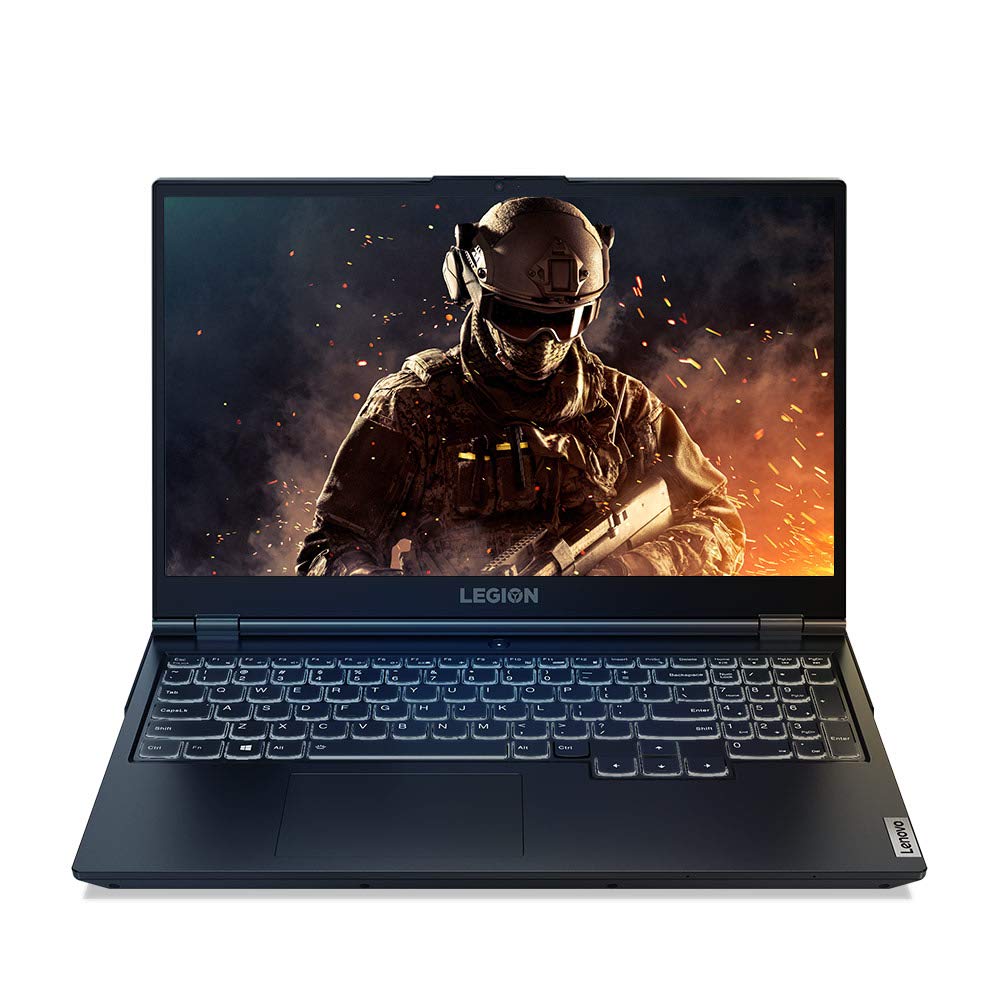
Similarly, last‑generation Lenovo Legion 5 configurations with GTX 1650 or RTX 3050 sometimes dip into the 75–80k range as newer models replace them. Legion is known for excellent cooling, great keyboards, and robust build, so even older GPUs still provide a solid overall experience. If you prioritize build and keyboard quality and can live with slightly older hardware, a discounted Legion can be a smarter buy than a flimsy new model.
Free upgrade to Windows 11 when available* Disclaimer-*The Windows 11 upgrade will be delivered late 2021 into 2022. Specific timing varies by device. Certain features require specific hardware.
23. Acer Aspire 5 (Ryzen 5 / i5, 16 GB)
Acer Aspire 5 with a modern Ryzen 5 or i5 and 16 GB RAM can be a cost‑effective under‑70k workhorse, sometimes approaching 80k for better screens or bigger SSDs. It offers decent build, enough performance for coding, office work, and some light creation, and a simple design that everyone from parents to working professionals will appreciate. If you want something that “just works” and is easy to recommend to family, Aspire 5 is that kind of product.
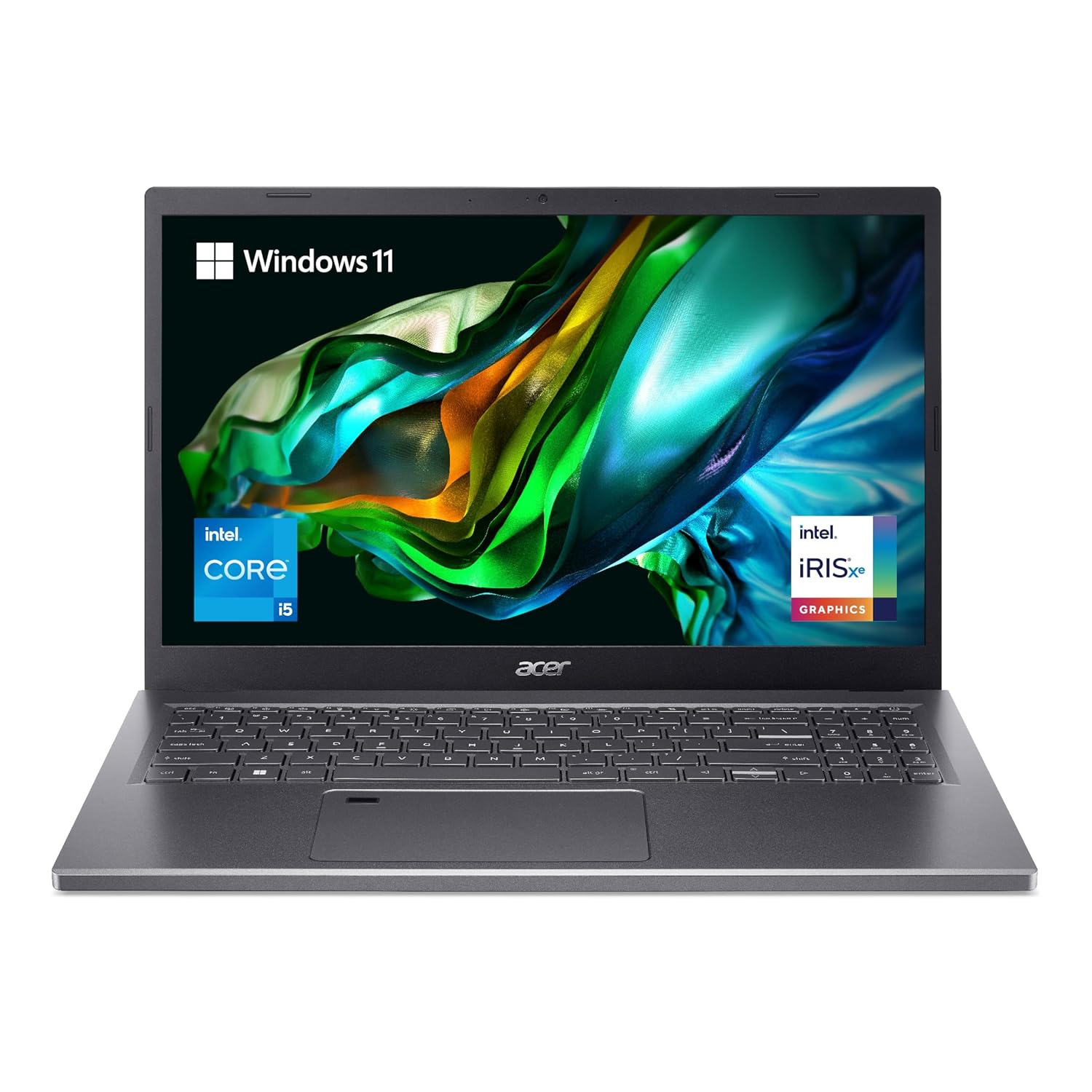
Processor : Great Performance with the Intel Core i5-1335U Processor | Memory: 16 GB of onboard LPDDR5 SDRAM support | Storage: 512 GB SSD
24. Infinix InBook X2/X3 (top configs)
Infinix InBook X2/X3 top configurations with 16 GB RAM and i5 sometimes hover in the ₹55,000–₹65,000 range, leaving plenty of headroom under ₹80,000 while offering very strong value. These laptops are thin, light, and well‑equipped for students and young professionals who want a stylish machine with good performance for studies, browsing, and light content creation. Service coverage is still growing, but value is hard to ignore.
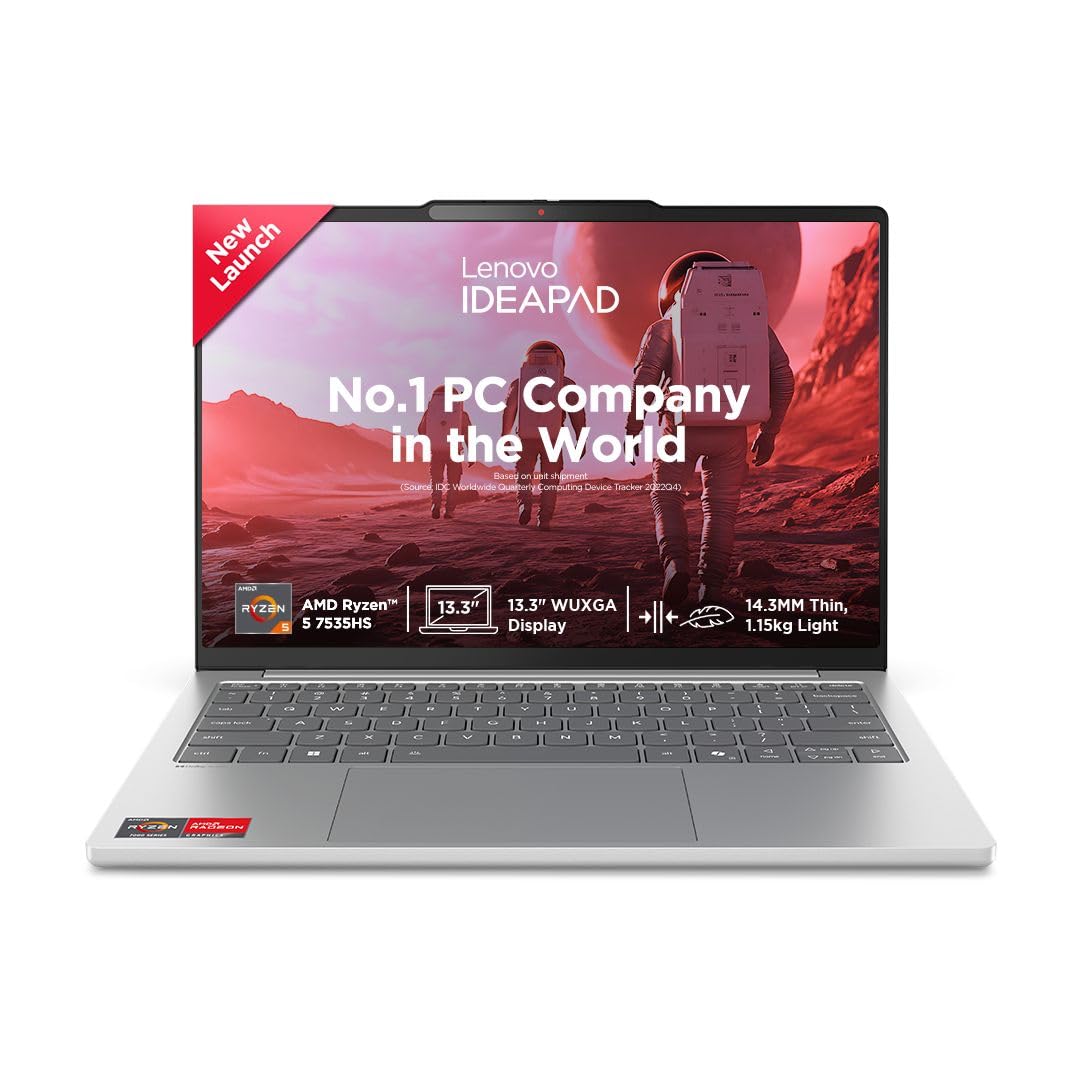
Processor: AMD Ryzen 5 7535HS | Speed: 3.3GHz (Base) – 4.55GHz (Max), 3MB L2 /16MB L3)
25. Realme Book / Realme Book Slim (i5, 16 GB)
Realme Book series (when available) offers MacBook‑like slim design and decent performance at mid‑range pricing, sometimes below 70k for 16 GB models. While not updated as frequently, they are still good options for users who want premium aesthetics, solid performance for office and coding, and a comfortable keyboard in a compact body. The main focus here is design and portability rather than gaming.
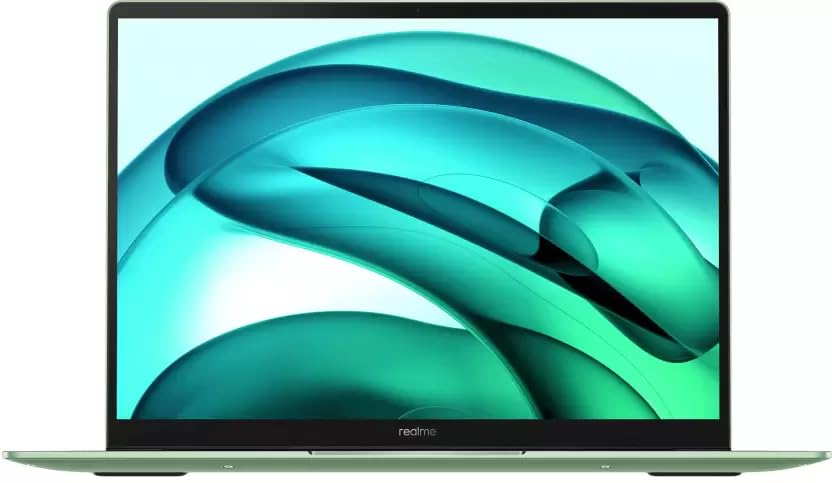
The realme Core i5 11th Gen laptop brings the characters in your favourite game to life with an outstanding 2K display that has a brightness of up to 400 nits and exhibits the hues with spectacular style under the RGB colour spectrum coverage.
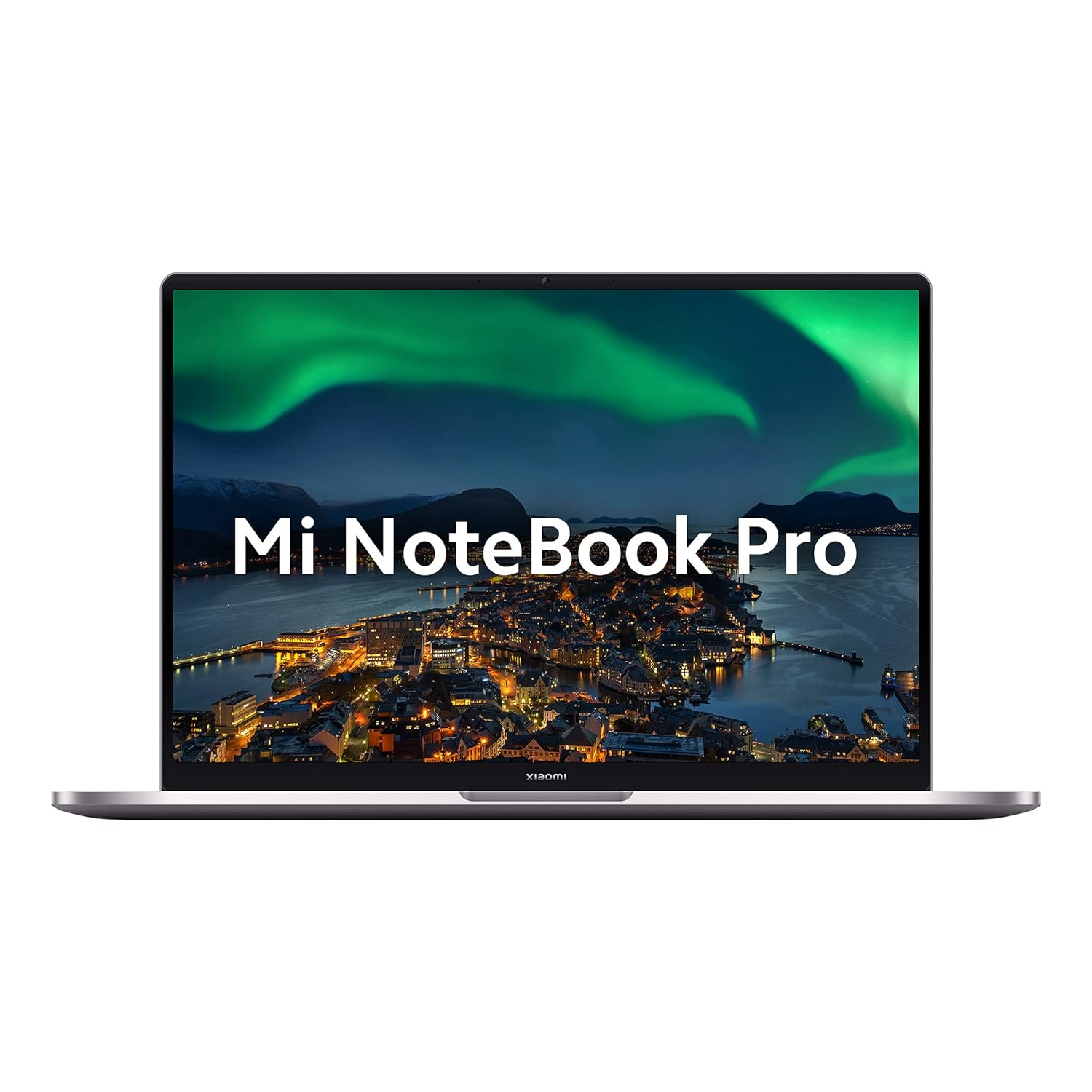
26. Xiaomi Notebook Pro / RedmiBook Pro (i5, 16 GB)
Xiaomi’s Notebook and RedmiBook Pro lines bring sharp displays and good CPU performance at compelling prices. When configured with 16 GB RAM and SSD, they’re powerful enough for coding, office, and some creative work, especially for those comfortable with Xiaomi as a brand. The design is minimal, and pricing is often below the bigger names, making them strong picks for price‑sensitive but tech‑savvy buyers.
You can have short product description here. It can be added as and enable/disable toggle option from which user can have control on it.
27. Asus Vivobook Go / Vivobook 15 (latest gen)
Asus Vivobook Go and newer Vivobook 15 variants with the latest Ryzen/Intel chips and 16 GB RAM are great for students and professionals who want the latest platform at a reasonable price. They are not strong gaming machines, but they handle studies, browsing, basic editing, and light content creation easily. Their designs are modern, with slim bezels and decent port selection, making them easy daily companions.
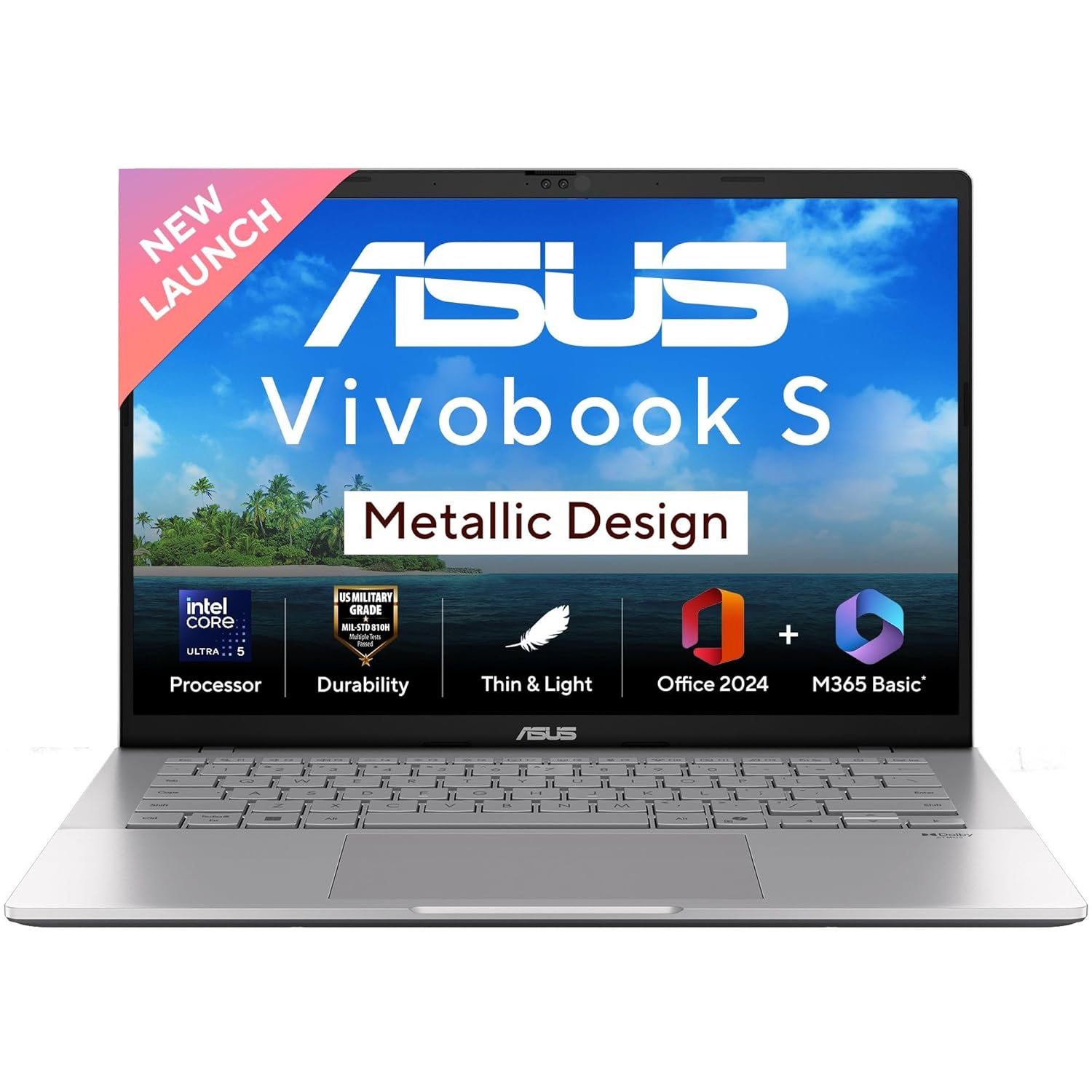
Processor : Intel Core Ultra 5 Processor 225H 1.7 GHz (18MB Cache, up to 4.9 GHz, 14 cores, 14 Threads) Intel AI Boost NPU up to 13TOPS
28. HP Chromebook x360 (high‑end ChromeOS, under 80k)
If you live mostly in the browser and Google ecosystem, a high‑end HP Chromebook x360 can sometimes come close to 60–70k and give you a fast, secure, and long‑battery machine that feels premium. It won’t run Windows apps, but for web developers, content writers, and cloud‑first users, it’s a viable alternative. Battery life and instant wake are standout strengths, and the 2‑in‑1 design is useful for media and presentations.
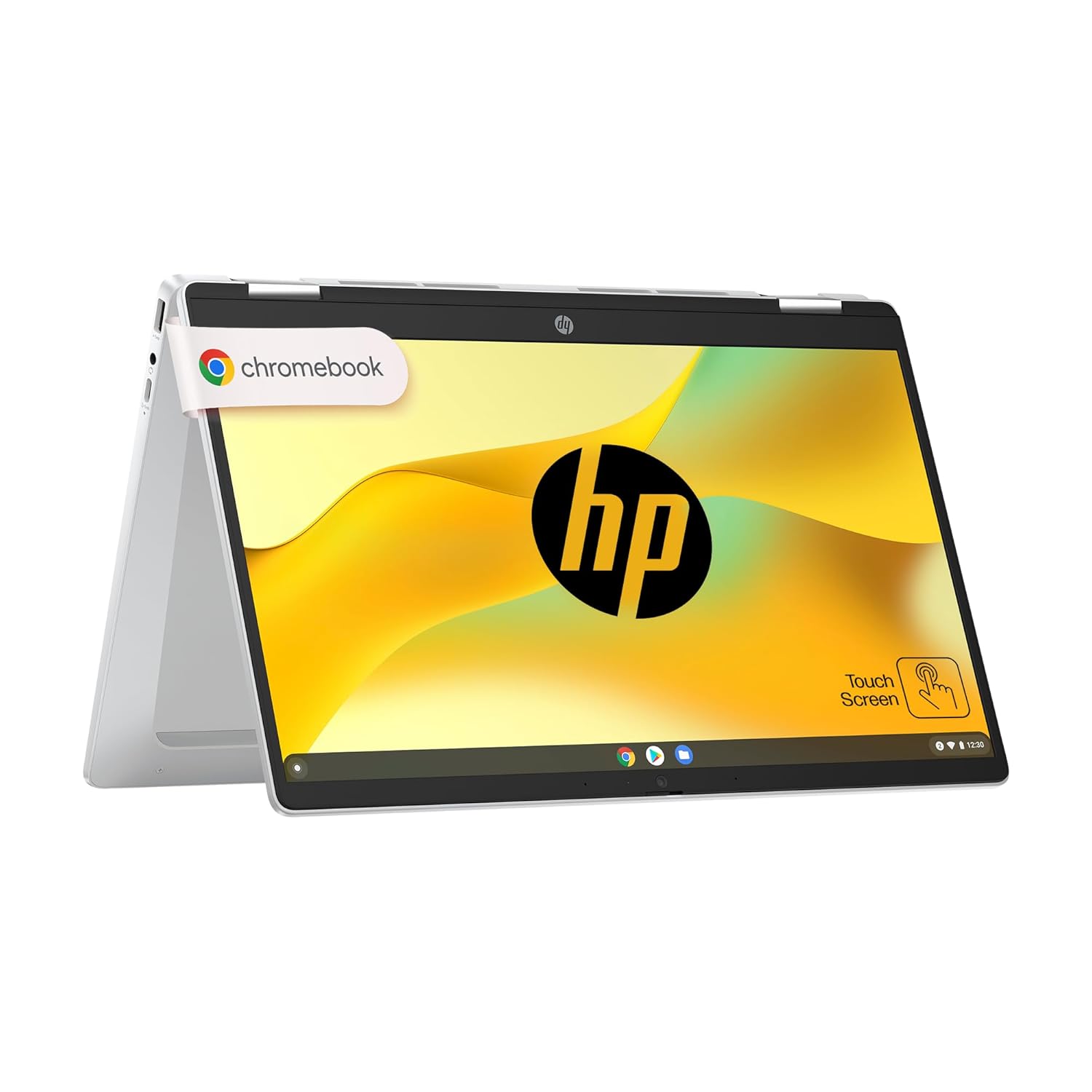
【4-core Intel Processor N100】Enjoy robust performance with a 3.4 GHz processor, enhanced by Intel Turbo Boost technology, 4 threads, and a 6MB L3 cache for smooth multitasking and swift execution.
29. Any modern i5/Ryzen 5 + 16 GB + 512 GB SSD (integrated graphics)
Even if the exact brand/model changes, a configuration with the latest i5/Ryzen 5, 16 GB RAM, and a 512 GB SSD without a dedicated GPU will be enough for 90% of non‑gaming users under ₹80,000. This spec is the “safe template” for students, office workers, and general heavy users: it can run multiple browsers, office tools, communication apps, and some creation workloads for years without feeling slow.
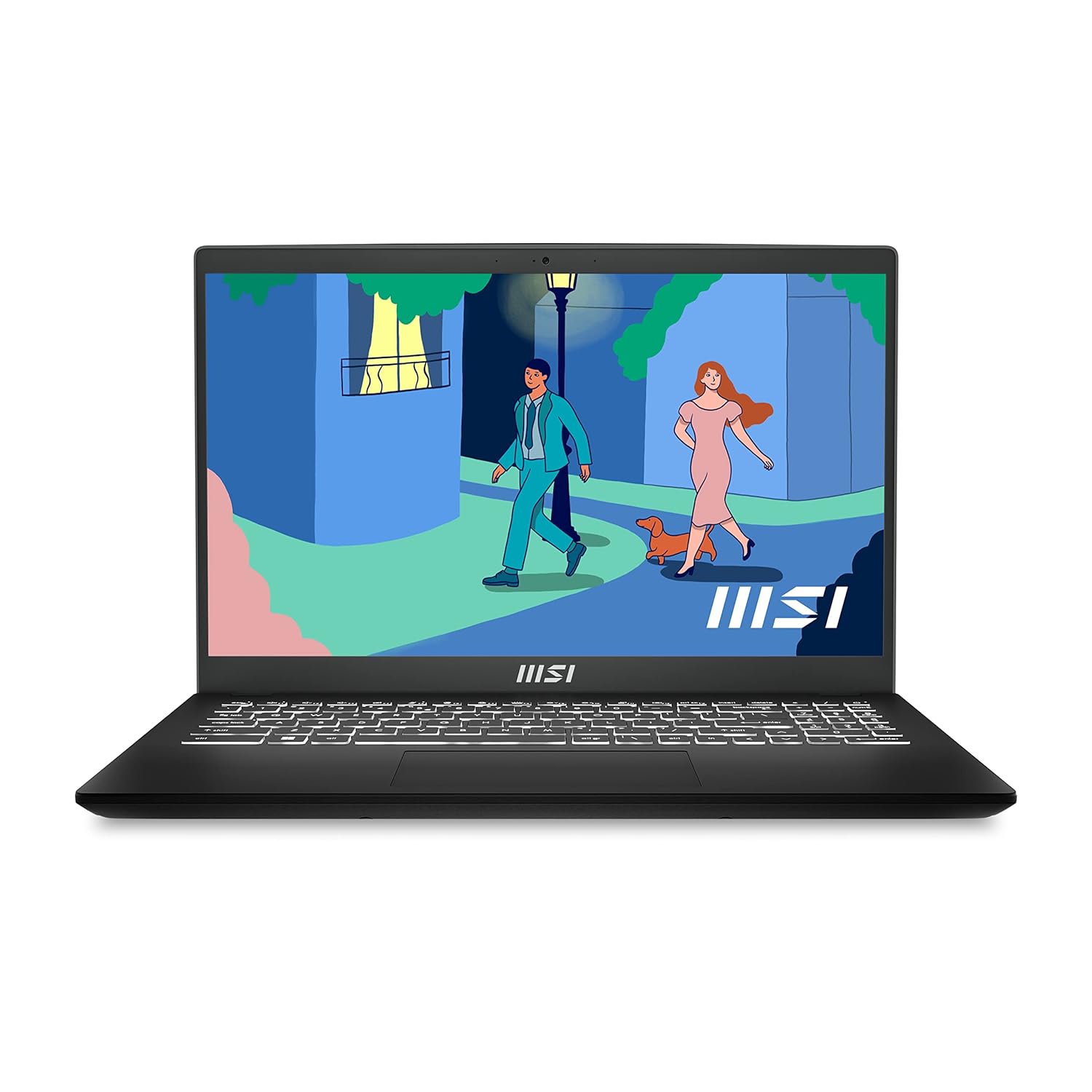
Processor: AMD Ryzen 5-7530U Up To 4.5GHz
30. Any RTX 3050 laptop with at least 16 GB RAM under ₹80,000
Finally, a very practical transactional rule: if you find any laptop with RTX 3050 + at least 16 GB RAM + SSD under ₹80,000 from a reputable brand (Lenovo, HP, Asus, Acer, Dell, MSI), it is almost always a good buy for gamers and creators. This combination guarantees entry‑to‑mid level gaming performance, proper GPU acceleration for editing, and enough RAM for modern multitasking.
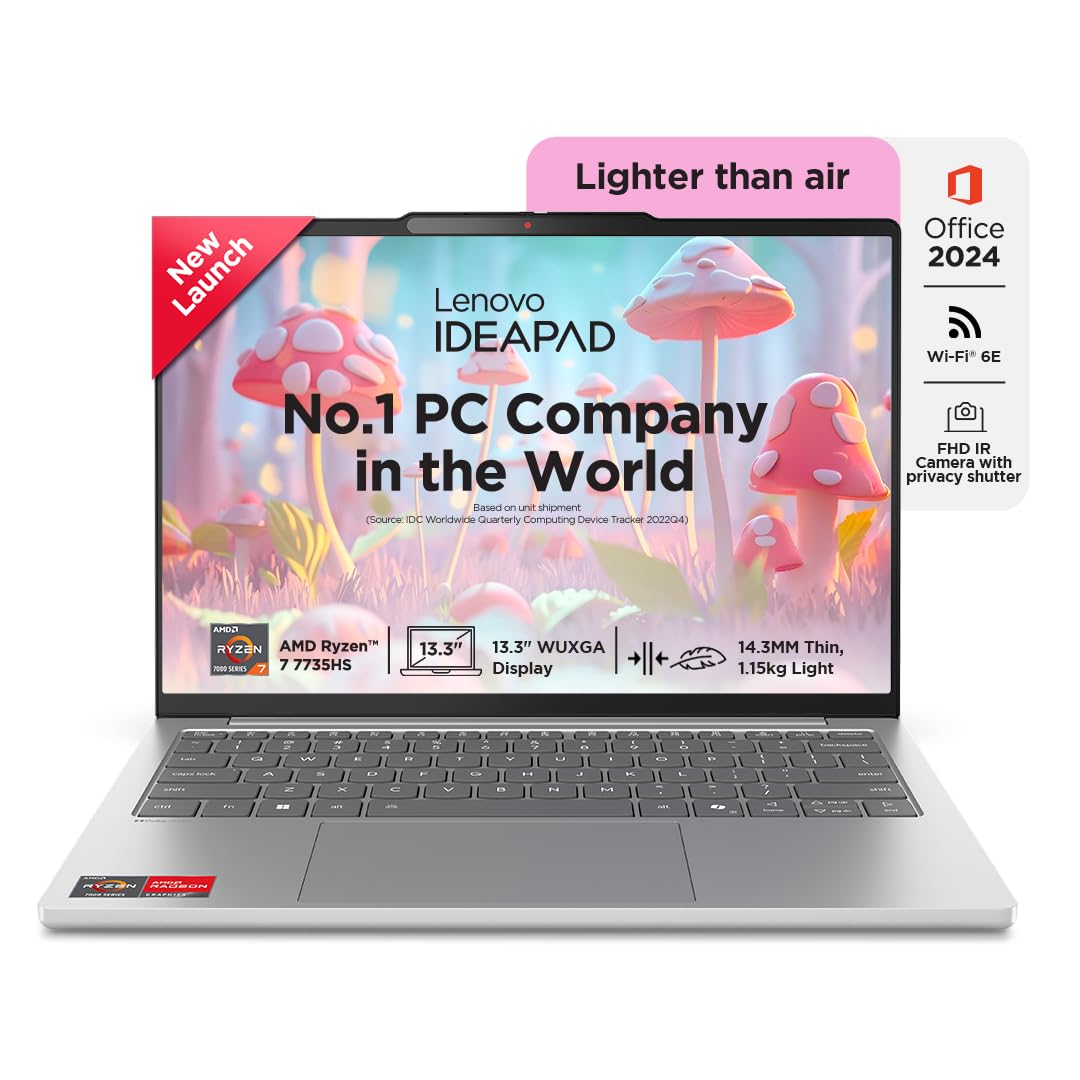
Processor: AMD Ryzen 7 7735HS | Speed: 3.2GHz (Base) – 4.75GHz (Max) | 8 Cores | 16 Threads | 16MB Cache
FAQs – Best Laptops Under ₹80,000
1. Is a dedicated GPU necessary under ₹80,000?
If you care about gaming, 3D, or video editing, a dedicated GPU like RTX 2050/3050 is highly recommended. For pure office, coding, and browsing, a strong CPU with integrated graphics is enough and can give better battery life.
2. How much RAM should I target in this price range?
At under ₹80,000, 16 GB RAM should be your minimum target. 8 GB is no longer sufficient for heavy multitasking, modern browsers, and creative apps. If a model has 8 GB, check that it has a free slot and budget for an upgrade.
3. What storage is ideal: 512 GB or 1 TB?
512 GB NVMe SSD is acceptable as a starting point, but if you work with large games, videos, or datasets, 1 TB is more comfortable. You can also add a second SSD or use an external SSD later if the laptop has expansion options.
4. Intel or AMD – which is better under 80k?
Both are excellent in this range. Recent Intel Core i5/i7 and Ryzen 5/7 chips are comparable; choose based on the overall package (GPU, display, cooling, price) rather than just the CPU brand.
5. Can I do 4K video editing on a laptop under ₹80,000?
You can do basic 4K editing with a good CPU, 16 GB RAM, SSD, and RTX 3050, but complex projects with heavy effects will be slower. If 4K editing is your main job, consider this price band the minimum; you may eventually need more RAM and a stronger GPU.
6. How important is refresh rate (144 Hz) for non‑gamers?
For non‑gamers, refresh rate is “nice to have” but not critical. What matters more is color accuracy, brightness, and viewing angles. If you don’t play fast shooters, a good 60 Hz IPS panel with better colors can be more valuable than a 144 Hz panel with mediocre color.
7. Which brands offer the best after‑sales service in India?
Broadly, HP, Dell, and Lenovo have the widest and most consistent service networks, especially in smaller cities. Asus, Acer, and MSI are strong in metros and big towns but may have fewer service points in remote areas
Conclusion:
Under ₹80,000, you can now buy laptops that comfortably handle serious work: modern AAA gaming at 1080p, full‑HD/entry‑level 4K video editing, heavy coding, and intense multitasking. Instead of chasing only brand names or a single spec, focus on the combination: a recent i5/Ryzen 5 or better, 16 GB RAM, NVMe SSD, and, if you’re into gaming or editing an RTX 2050/3050‑class GPU.
Use this list of 30 expert‑selected models as a transactional buying guide: shortlist 3–5 laptops that fit your workload, check live prices and bank/EMI offers, and then choose the one that gives you the best mix of CPU/GPU, display, thermals, and after‑sales support. Investing wisely at this level should give you a reliable, fast machine for at least the next 3–4 years, whether you’re aiming for better grades, higher productivity, or smoother frame rates.