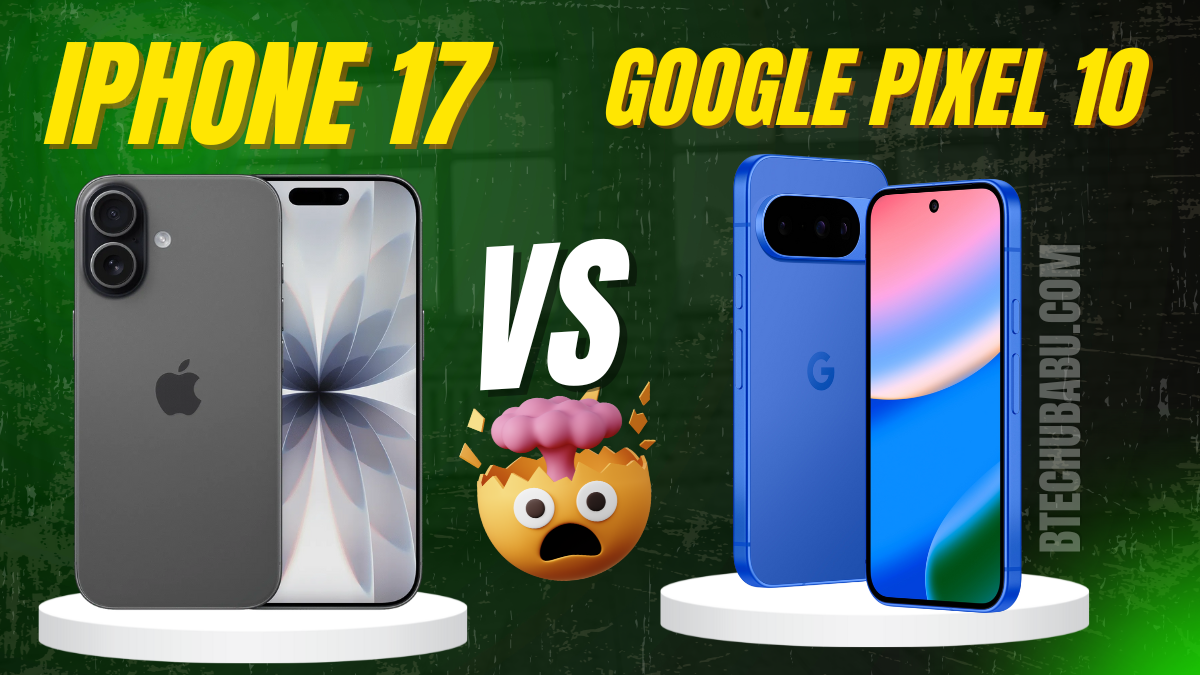
Every new smartphone generation brings hype, excitement, and tough decisions. In 2026, iPhone 17 vs Google Pixel 10 both launched compelling options: the iPhone 17 and Google Pixel 10 . For many buyers, choosing between iOS and Android is the first big decision. But beyond that, how much better is the iPhone 17? Or is the Pixel 10 now catching up—or even overtaking Apple in some aspects?
This comparison digs deep: design, display, chipset, camera, battery & charging, software & updates, ecosystem integration, real-world performance, plus pros & cons. Whether you’re an iPhone 17 vs Google Pixel 10 fan, this guide aims to help you make an informed decision.
| Image | Product | Features | Price |
|
Our Pick
1
 |
iPhone 17 |
iPhone 17 measures 149.6 × 71.5 × 7.95 mm |
|
|
2
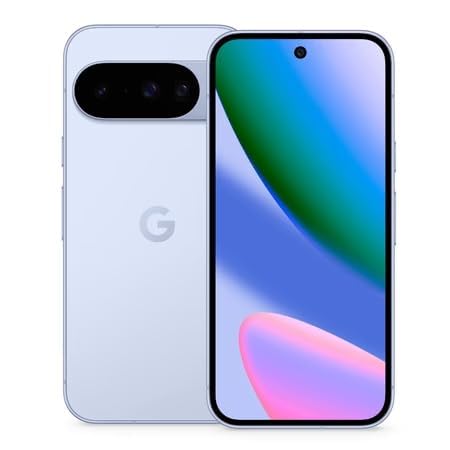 |
Google Pixel 10 |
Pixel 10 Pro (152.8 × 72.0 × 8.6 mm |
iPhone 17 vs Google Pixel 10 Complete Details
Design & Build Quality
The iPhone 17 is slightly lighter and thinner, which gives it an edge in ergonomics. The Pixel 10 is heavier, likely owing to its triple-camera system and additional internal hardware (magnets, etc.). In terms of build, both are top tier with robust protection and water/dust resistance. If pocketability and lighter feel matter, iPhone wins; if you prefer a more rugged feel and the magnetic compatibility, Pixel holds its ground.
iPhone 17
Google Pixel 10
Display & Visual Experience
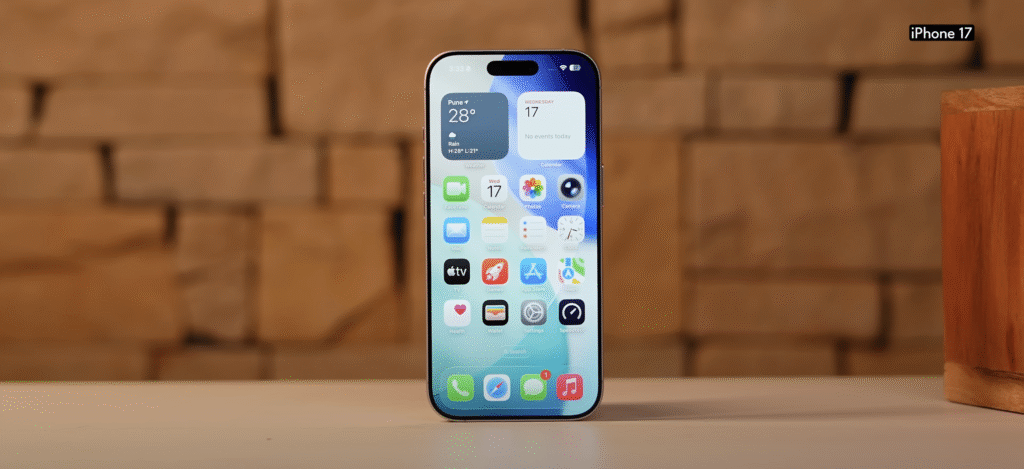
Both displays are excellent: OLED with adaptive refresh, HDR support, vibrant color and high brightness. The iPhone 17 edges ahead with slightly higher resolution density and its well-tuned color calibration. But for everyday use, both screens will feel fluid and premium.
iPhone 17
Google Pixel 10
Performance, Chipset & Memory:
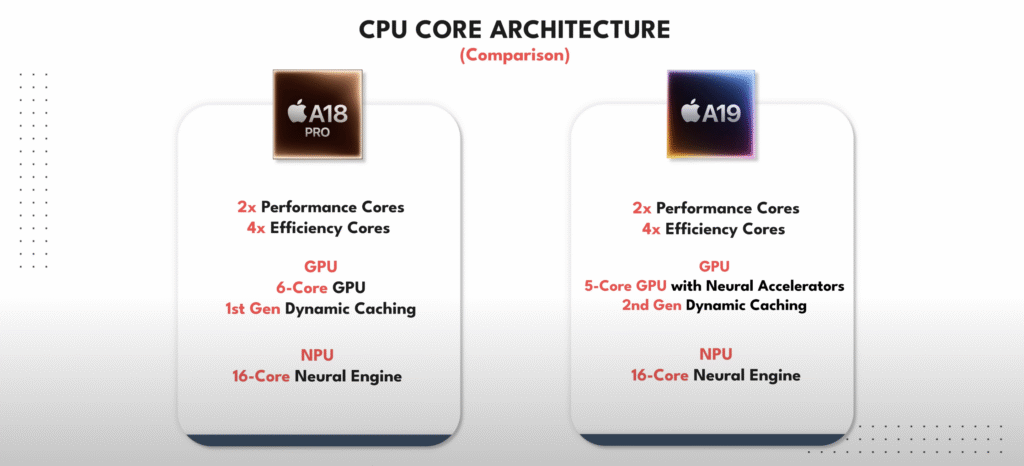
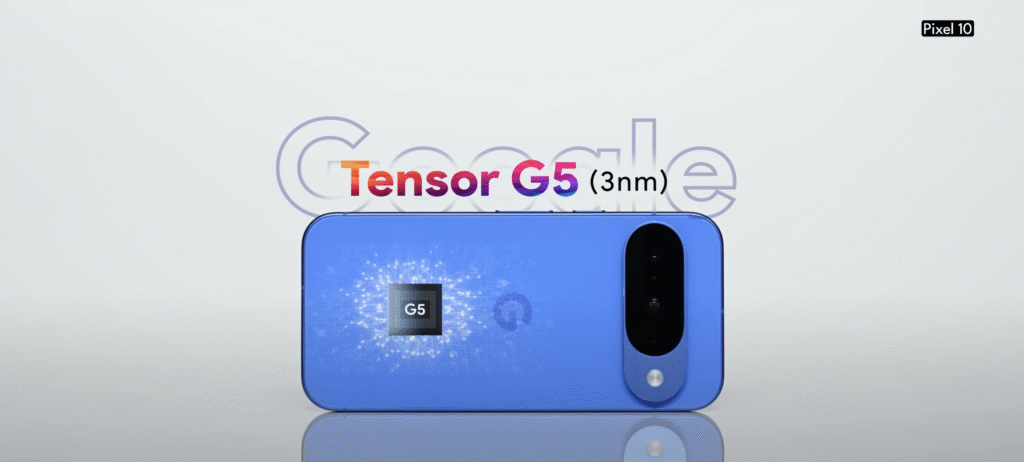
The iPhone 17 likely leads in raw performance (CPU/GPU benchmarks), but the Pixel 10 is no slouch and benefits from tight hardware-software integration. In everyday tasks, both will be smooth, but for heavy gaming or editing, iPhone 17 has the advantage
iPhone 17
Google Pixel 10
Camera Systems & Imaging :
One of the most scrutinized areas of flagship comparisons—how well do these phones capture real life?
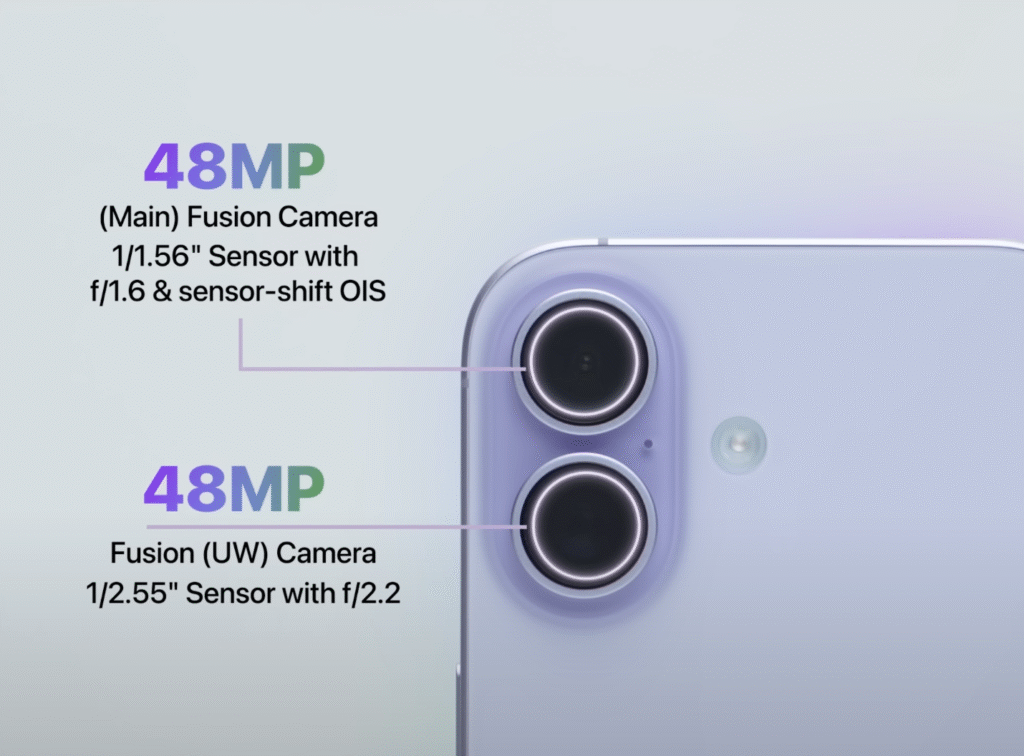
| iPhone 17 (Dual Fusion System) | Pixel 10 (Triple Camera System) |
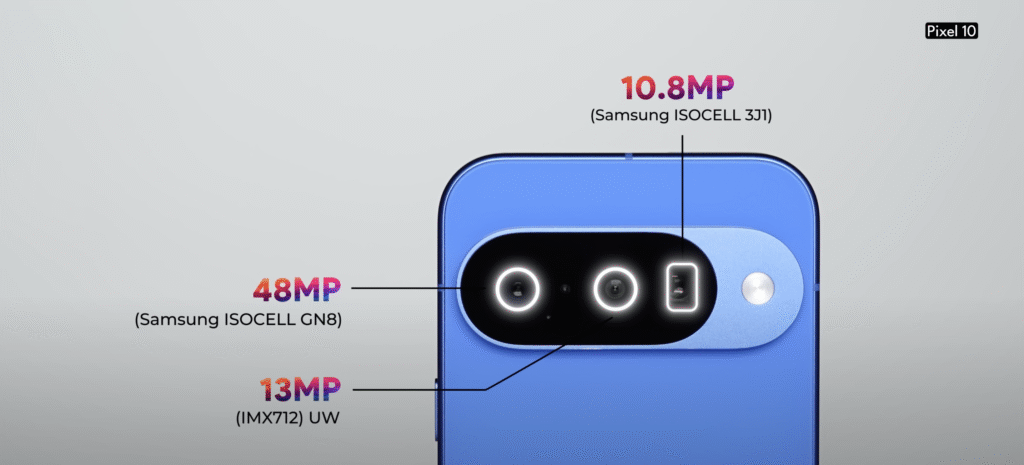
| Rear: 48 MP Fusion Main with sensor-shift OIS, 100% focus pixels, supports 24/48 MP output. Also supports 2× “optical-quality” zoom from main sensor. | Rear: 48 MP main (Quad PD), 13 MP ultrawide, 10.8 MP telephoto (5× optically). |
| Ultra-wide: 48 MP Fusion Ultra Wide, 13 mm equivalent, f/2.2, 120° FoV | Pixel 10 is the first “non-Pro” Pixel to include a telephoto lens |
| Front: 18 MP Center Stage camera (new square sensor) for dynamic framing | Key camera software features: Magic Cue, Camera Coach, Add Me, Best Take, Gemini Live support in camera workflows. |
| Video: 4K Dolby Vision recording (24/30/60 fps), Cinematic mode, Action mode (2.8K @ 60 fps), Macro video, Dual Capture, Night mode timelapse, spatial video. | Video: strong computational video features, though Pixel 10 peaks at ~20× digital zoom (vs up to 100× in Pixel Pro variants) |
| Reviews highlight that photos are sharp, color rendition is balanced, and the new sensor helps low-light performance | Some critiques: the telephoto is modest (10.8 MP) compared to Pro Pixels, and it lacks full ProRes modes or advanced manual controls. |
Verdict (Cameras)
Battery & Charging :
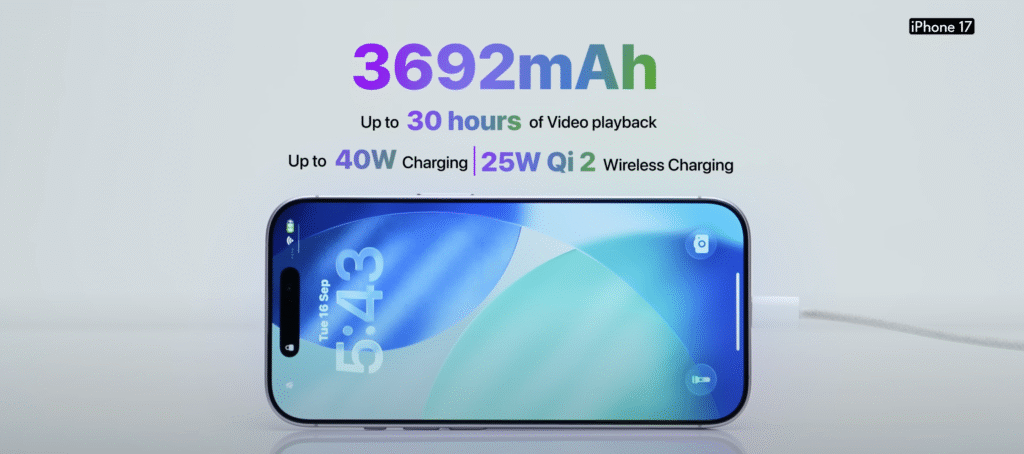
Pixel 10 wins in raw capacity and headroom. But the built-in Battery Health Assistance is a serious drawback for long-term users. In early life, Pixel might last longer per charge.
The iPhone is more conservative in capacity but offers stable performance over time. For long-term resilience, iPhone has the advantage; for immediate usage and longevity per charge, Pixel is strong.
iPhone
Google Pixel
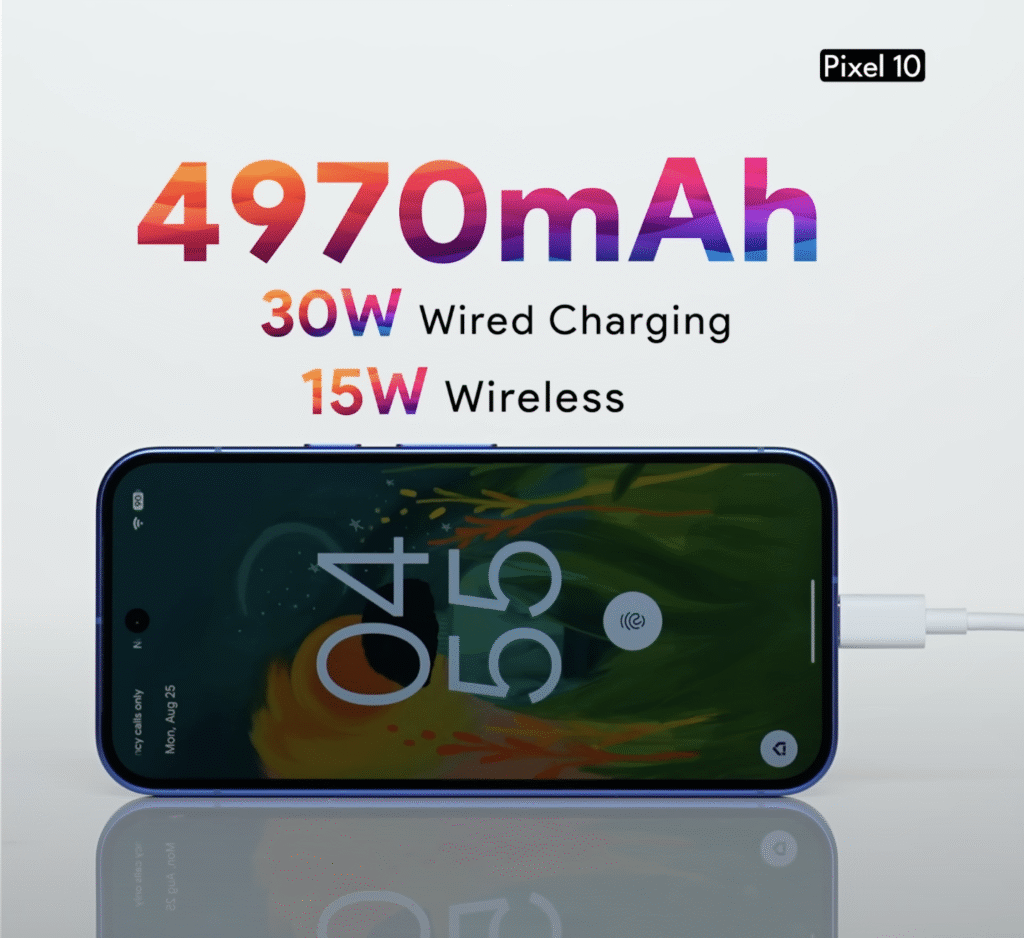
Review tests show battery life is solid on day 1, but long-term battery capacity and fast charging may degrade faster due to the health assistance constraint.
Software, Updates, & Ecosystem :
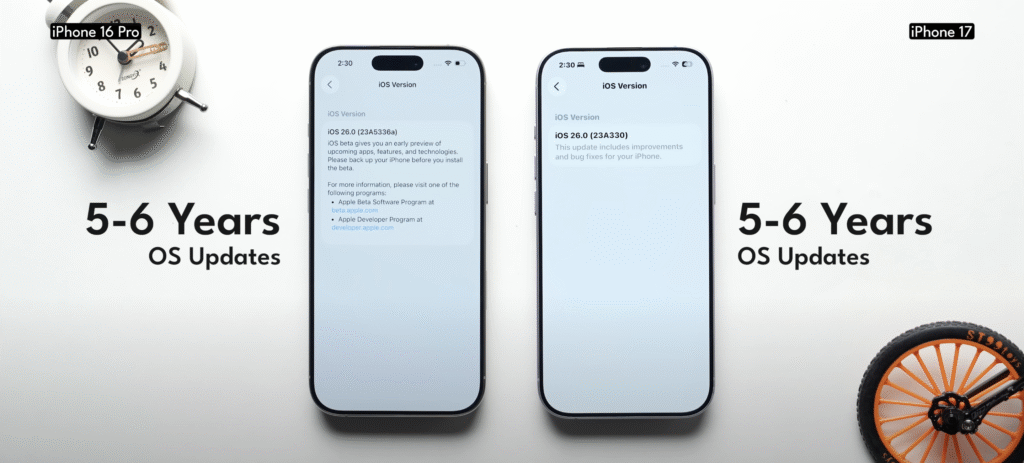
If you’re already in the Apple ecosystem, iPhone is seamless and offers better long-term OS support stability. Pixel 10 is compelling for those who value AI features, ecosystem flexibility, and Google-first services. From an update guarantee standpoint, both are competitive.
iPhone 17